


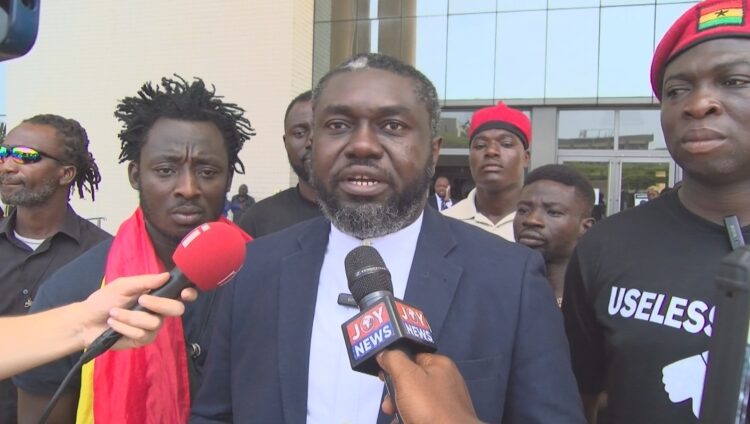
Private legal practitioner and activist Osagyefo Oliver Barker-Vormawor has cast doubt on the procedural validity of Parliament’s passage of the Human Sexual Rights and Family Values Bill, popularly known as the Anti-LGBTQ+ Bill, alleging that the legislation may have been approved without the constitutionally required quorum.

In a Facebook post following the bill’s passage, Mr. Barker-Vormawor claimed that only 34 Members of Parliament were present during the approval process, raising concerns about whether the decision met constitutional and parliamentary requirements.
“Turns out the Anti-LGBTQ bill was passed without a quorum. Only 34 MPs? Hmmm,” he wrote.
He further suggested that the matter could be challenged, adding, “Over to the President. Cease and desist letter incoming?”
The comments have sparked widespread discussion on social media, with supporters and critics of the bill debating the legal implications of the claim and the legitimacy of the legislative process.
The Human Sexual Rights and Family Values Bill, which seeks to criminalise LGBTQ+ activities and related advocacy in Ghana, was passed by Parliament after undergoing several amendments at the committee stage.
Among the key revisions are provisions that exempt certain professionals and institutions from sanctions under the proposed law. The exemptions cover lawyers providing legal representation to LGBTQ+ individuals, journalists and media organisations reporting on LGBTQ+ matters, and healthcare professionals offering medical treatment, counselling and psychological support.
The amendments were introduced following concerns raised during parliamentary deliberations and stakeholder consultations regarding the bill’s potential impact on professional responsibilities, access to essential services and constitutional rights.
Despite the revisions, the legislation remained a subject of intense debate within Parliament.
Members of the Minority Caucus opposed the amended bill, arguing that the introduction of multiple exemptions exposed weaknesses in the original draft and demonstrated the need for substantial revisions before its passage.
According to Minority lawmakers, the changes raised important questions about the consistency, legal clarity and practical enforceability of the legislation.
The bill’s passage now shifts attention to the Presidency, where President John Dramani Mahama will be expected to determine whether to assent to the legislation or take further action.
Meanwhile, Barker-Vormawor’s claims regarding quorum are likely to fuel further legal and constitutional discussions over the validity of Parliament’s approval process, particularly if formal challenges are brought before the courts.


