


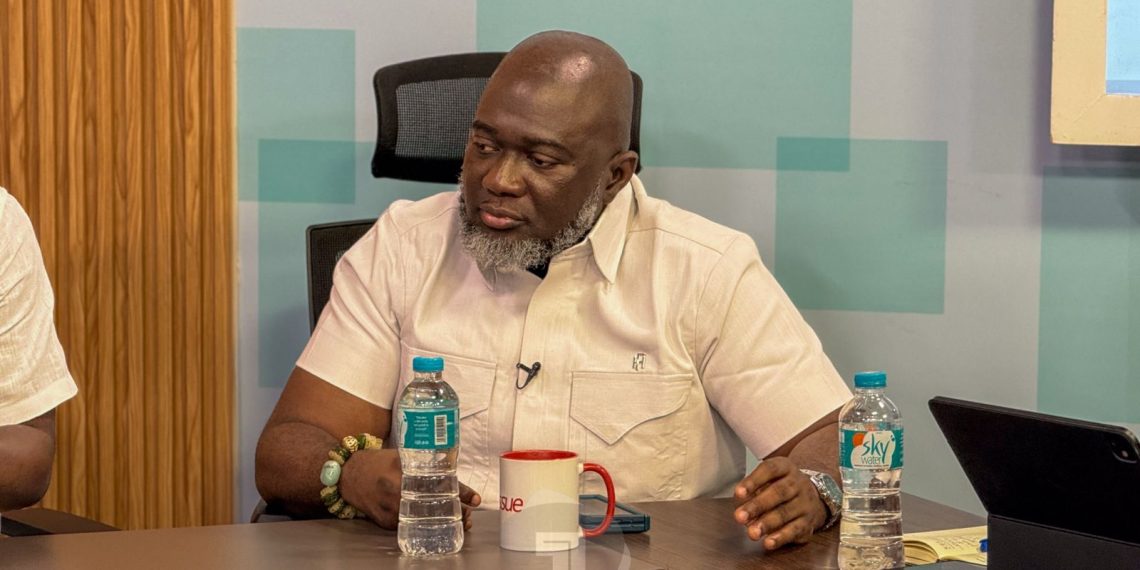
The Executive Secretary of the Chamber of Petroleum Consumers (COPEC), Duncan Amoah, has backed the 20 per cent rise in public transport fares by operators, calling the change fair amid growing running costs.

He spoke after the Ghana Private Road Transport Union (GPRTU) and the Commercial Transport Operators of Ghana said fares will go up countrywide from Tuesday, June 2, 2026.
The operators blamed the hike on steady fuel price increases and higher costs of vehicle parts, which keep straining their business. On Citi News Digest with Samuel Ackom on Saturday, May 30, which was monitored by Ghanaian Radar, Mr Amoah said drivers had shown restraint toward riders despite heavy operational burdens.
“Let me start off by saying that the transport operators have been quite magnanimous with all of us. At this time when already fuel prices are set to go up again on Monday, one could imagine that their operations could become unsustainable if they continue to charge the very old fares,” he said.
He argued that operators had cut fares when fuel fell and should be free to raise them now that prices have climbed back. “Granted that it is those who decided to go down on fares when fuel was 15. Now that it’s gone back up to 15 again, it could only be fair that we grant them that space to also adjust back to the old levels they were,” he stated.
Mr Amoah added that many operators, including long-haul bus firms, had already raised fares, so asking GPRTU members to hold old prices would be unfair. “It would become quite a disservice to the GPRTU and other transport operators if we insist at this point that they should stick with the old fares.
So I find that the adjustment is reasonable, except that we would need to again ask them the basis for the 20%,” he said.While backing the increase, the COPEC head said he would have liked a 15 per cent rise instead of 20 per cent.
Still, he noted operators likely included other costs like insurance and parts. He explained a rider paying GH¢100 now could pay about GH¢120 under new rates, while a GH¢10 trip could move to roughly GH¢12.
Mr Amoah also repeated calls for a clear, data-based method to set transport fares in Ghana. He suggested a formula covering fixed and variable costs to define a standard rate per rider per kilometre.
He said such a model would end frequent fare clashes and give clarity to drivers and riders.“But I think that we should be making meaningful progress towards arriving at a cost per head per kilometre, so that there is no confusion and no chaos,” he said.
He called the present fare-setting process largely ad hoc and urged players to use a more evidence-led approach to pricing.


