


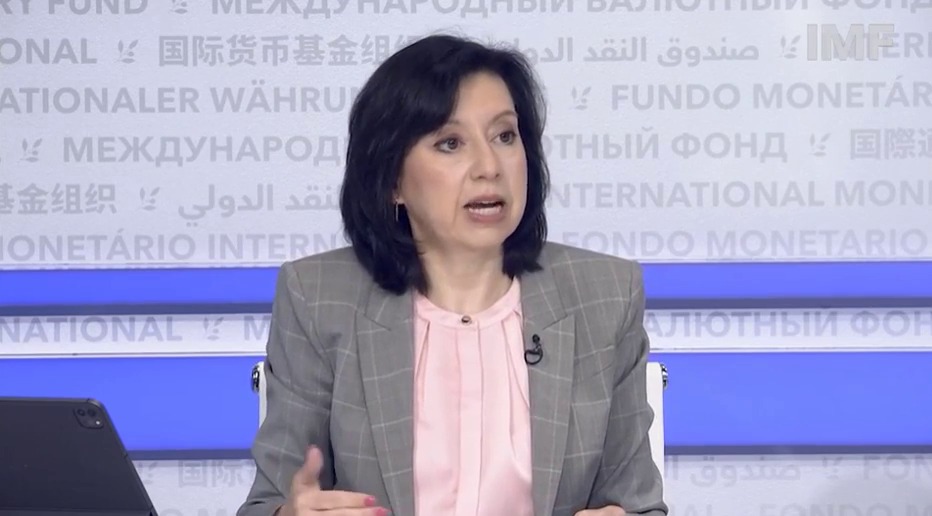
The International Monetary Fund (IMF) has given its backing to Ghana’s Energy Sector Shortfall and Debt Repayment Levy, describing it as a strategic measure that aligns with the country’s fiscal goals under the Extended Credit Facility (ECF) programme. According to Julie Kozack, Director of the IMF’s Communications Department, “This new measure will help generate additional resources to tackle the challenges in Ghana’s energy sector, and it is also going to bolster Ghana’s ability to deliver on the fiscal objectives under the programme.”

The levy imposes a GH¢1 charge per litre on petroleum products, aiming to address long-standing debt and financial shortfalls in the energy sector. However, not everyone is pleased with the decision. The Minority in Parliament has expressed criticism, arguing that the levy adds to the cost burden on already struggling consumers.
On the other hand, the government maintains that the impact on consumers will be marginal. “Current fuel prices at the pump remain lower than in previous high-inflation periods,” the government points out.
The implementation date of the levy was initially set for June 9 but has been pushed back to June 16, 2025, following an agreement between the government and the Chamber of Oil Marketing Companies. Energy sector stakeholders, including the Chamber of Petroleum Consumers, are urging the government to use the extension period to engage with affected parties and improve transparency around the levy’s use.


