


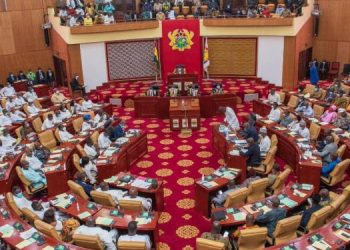
The Constitutional and Legal Affairs Committee of Parliament on Thursday, November 19, held discussions on the Criminal Offences (Amendment) Bill, 2026, popularly known as the Anti-Witchcraft Bill, which seeks to criminalise witchcraft accusations and practices that expose vulnerable individuals to harm and discrimination.

The proposed legislation aims to prohibit practices associated with witch doctors and witch finders, as well as the declaration, accusation and labelling of individuals as witches.
The meeting brought together members of the committee, the First Deputy Speaker of Parliament, Bernard Ahiafor, representatives of civil society organisations (CSOs), the Coalition Against Witchcraft Accusations, members of the media and sponsors of the bill led by the Member of Parliament for Madina, Francis-Xavier Sosu.
If passed into law, the bill is expected to provide legal protection for vulnerable groups, particularly women, children and older persons, who are often exposed to abuse, discrimination, social exclusion and violence following accusations of witchcraft.
It is also intended to establish a clearer legal framework for addressing witchcraft-related accusations, strengthen judicial processes and reinforce the protection of fundamental human rights.
Beyond its legal implications, the proposed legislation seeks to encourage a broader cultural shift away from harmful superstitious beliefs and practices that threaten the safety and dignity of individuals.
The bill could also strengthen Ghana’s commitment to international human rights standards and enhance its standing in efforts to combat harmful traditional practices. Its implementation is expected to create opportunities for greater support and resources for victims of witchcraft accusations.
Ultimately, the proposed legislation seeks to promote a safer and more inclusive society by protecting marginalised individuals, advancing human dignity and encouraging community dialogue to challenge beliefs and practices that perpetuate abuse.


