


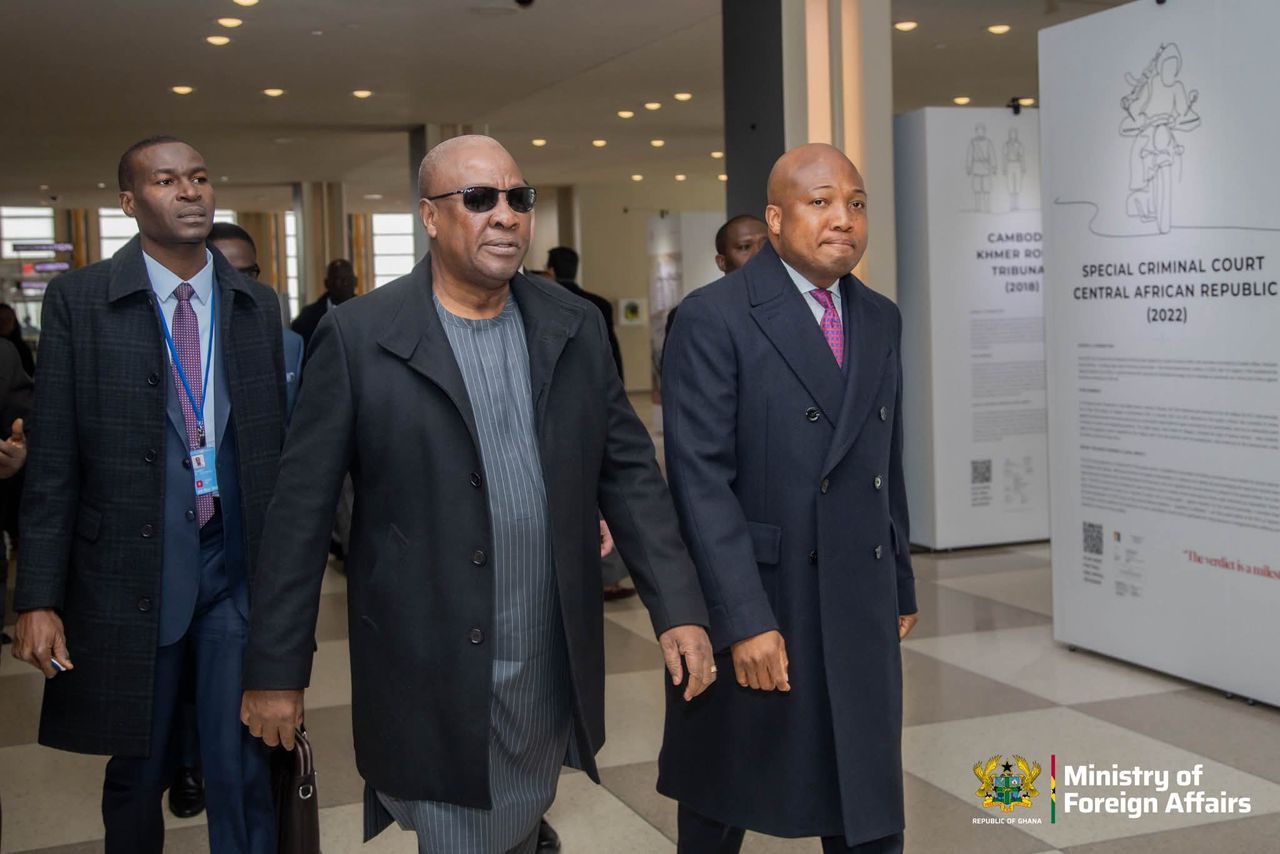
Ghana on Wednesday, March 25, 2026 secured a historic resolution at the United Nations General Assembly, overcoming intense last-minute pressure from key allies who urged a delay.

President John Dramani Mahama described the breakthrough as one of the most difficult diplomatic battles tied to the transatlantic slave trade agenda.
“When I gave notice of this motion, I knew it would not be easy. We had to build a broad coalition to see it through,” he said.
According to the president, several countries including some believed to be part of the negotiating bloc pushed for a postponement, warning the resolution could fail without wider consensus. Others advised Ghana to soften its stance and revise portions of the text to gain broader support.
“Even as I prepared to travel, we received calls urging us to slow down, to delay, to adjust the language further. But we believed the moment had come to act,” Mahama stated.
Refusing to yield, Ghana pressed forward, rallying a carefully built cross-regional alliance. The effort culminated in what the president called an “emphatic victory” at the UN General Assembly on March 25, 2026.
Addressing experts who helped craft the resolution, Mahama defended the decision not to delay.
“If we had postponed, there is no telling when such an opportunity would come again. We had built the strongest coalition possible, and we had to act,” he explained.
The resolution formally recognises the transatlantic slave trade and its legacy as a grave crime against humanity—an outcome Ghana has long championed as part of a broader push for reparations and historical justice.
Mahama framed the achievement as both diplomatic and symbolic, linking it to the legacy of pan-African icons such as Kwame Nkrumah, Marcus Garvey, and W. E. B. Du Bois.
Metrotvonline


