


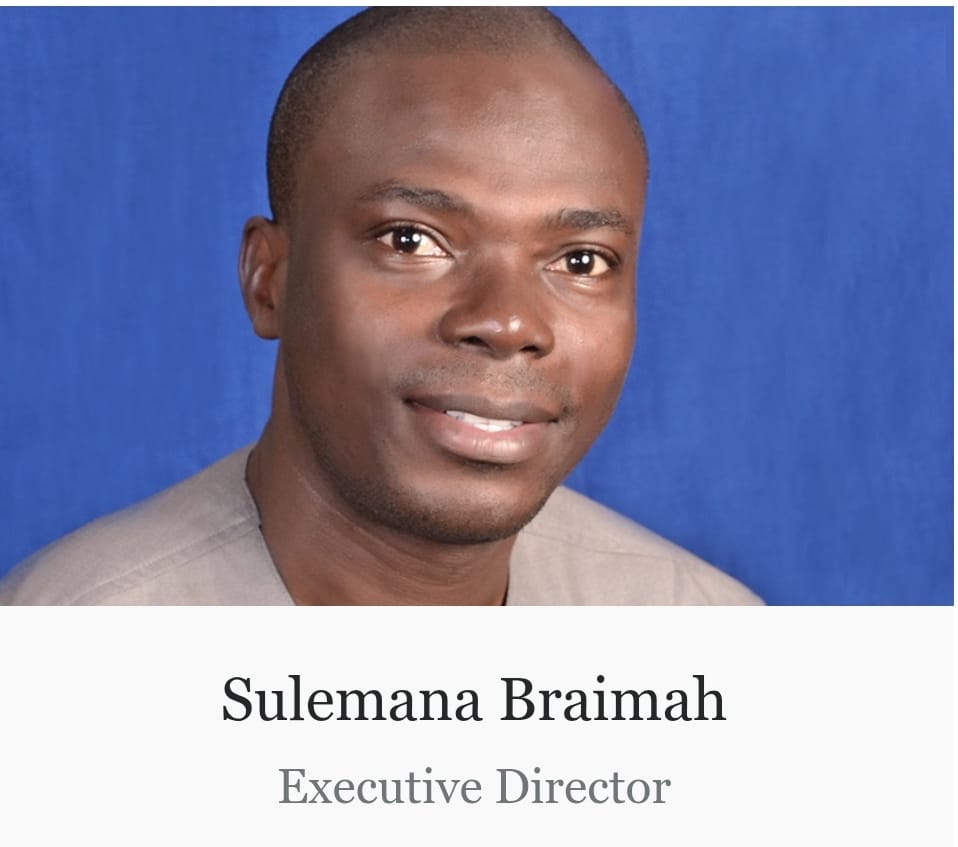
Executive Director of the Media Foundation for West Africa (MFWA), Sulemana Braimah, has expressed concern over what he describes as attempts to weaken the powers of the Office of the Special Prosecutor (OSP), cautioning that such developments could undermine Ghana’s anti-corruption efforts.

Speaking on Joy FM’s Super Morning Show on Thursday, 16 April, Mr Braimah noted that recent controversies surrounding the OSP’s mandate have created uncertainty for ongoing corruption cases and risk eroding public confidence in accountability institutions.
He emphasised that the issue carries significant implications for governance and the administration of justice, urging that it be treated with the seriousness it deserves.
“Any attempt, direct or indirect, to weaken the effectiveness of the OSP is worrying for the fight against corruption in this country,” he stated.
His remarks follow a High Court ruling in Accra on Wednesday, delivered by Justice John Eugene Nyadu Nyante, which held that while the OSP has the authority to investigate corruption-related offences, it does not possess constitutional authority to independently prosecute cases under Article 88 of the 1992 Constitution.
The ruling arose from a quo warranto application filed by Peter Achibold Hyde and has raised concerns about its potential impact on ongoing prosecutions. Legal observers suggest that the decision could delay or stall cases pending further judicial clarification.
In response, the Office of the Special Prosecutor has defended its mandate, maintaining that its enabling legislation—the Office of the Special Prosecutor Act—provides clear authority to both investigate and prosecute corruption-related offences.
The debate continues as stakeholders assess the legal and institutional implications of the ruling for Ghana’s broader anti-corruption framework.


