• About
  • Advertise
  • Privacy & Policy
  • Contact
Tuesday, November 3, 2026
Ghanaian Radar
Advertisement
  • Home
  • News
  • Politics
  • Sports
  • Business
  • Entertainment
  • Tech
    Bright Simons Challenges GH¢19.8bn SOE Profit Claim

    Bright Simons Questions Ghana’s AI Strategy Over Computing Targets and Cost Projections

    China criticises idea it is in ‘malicious competition’ over AI

    China criticises idea it is in ‘malicious competition’ over AI

    Apple’s new boss starts with big gamble on £1,999 first folding iPhone

    Apple’s new boss starts with big gamble on £1,999 first folding iPhone

    Anthropic safety researcher says more than 10% chance AI ‘could kill all humans’

    Anthropic safety researcher says more than 10% chance AI ‘could kill all humans’

    Marrify App Launched in Ghana to Help Verify Prospective Partners’ Marital Status

    Marrify App Launched in Ghana to Help Verify Prospective Partners’ Marital Status

    Uber shuts operations in Nigeria and Uganda with immediate effect

    Uber shuts operations in Nigeria and Uganda with immediate effect

    Trending Tags

    • Nintendo Switch
    • CES 2017
    • Playstation 4 Pro
    • Mark Zuckerberg
  • World
  • Opinion
  • Health
No Result
View All Result
Ghanaian Radar
No Result
View All Result
Home Opinion

Why Taxing Mobile Money Is Backfiring Across Africa

Dennis Ato Keelson by Dennis Ato Keelson
April 18, 2026
in Opinion
0
Why Taxing Mobile Money Is Backfiring Across Africa

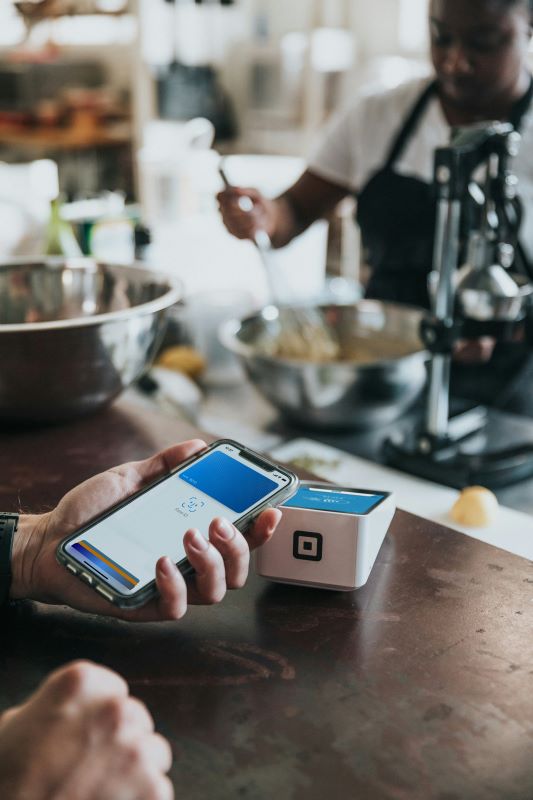
Nathan Dumlao

Share on FacebookShare on TwitterShare on WhatsAppp

By: Herman Kwame Kumatsey

Across Africa, governments are increasingly turning to mobile money as a revenue lever as fiscal pressures intensify and digital transactions become more visible, yet evidence from multiple markets shows a consistent outcome: usage declines, financial inclusion weakens, and the tax base ultimately shrinks.

Mobile money has expanded financial access at a scale few systems have achieved, bringing millions into the formal economy and reshaping how individuals and small businesses transact. That progress depends on consistent, everyday usage, which is highly sensitive to cost, and industry analysis shows that when the cost of transacting rises, behaviour adjusts quickly.

The Same Pattern, Repeated

The experience across markets follows a familiar sequence in which a tax is introduced, transaction costs increase, users adjust how they transact, and volumes decline. The expected revenue gains do not materialise at scale, which then leads to revisions or the eventual withdrawal of the policy.

Ghana’s Electronic Transfer Levy illustrates this trajectory clearly, as its introduction in 2022 at 1.5 percent led to declining transaction volumes and lower than expected revenue, before being reduced and eventually scrapped. What appeared to be a stable revenue source proved highly responsive to even modest increases in cost, reinforcing how quickly usage shifts when pricing changes.

The same tension is now emerging in markets such as Senegal, where proposed or newly introduced levies on mobile money transactions have raised concerns about declining usage, particularly in economies where mobile money functions as a primary financial tool. Discussions around alternative approaches, including taxing operator turnover rather than user transactions, reflect a growing recognition that the structure of a tax determines its outcome.

Usage Is Where Inclusion Is Won or Lost

Mobile money is built on frequent, low value transactions tied to daily life, from transport and groceries to informal trade and family support, which means that even small increases in cost accumulate across these interactions over time. These changes shape behaviour in ways that are gradual but significant, as users begin to consolidate payments, delay transactions, or return to cash where it feels more predictable.

These shifts do not happen all at once, yet they steadily reduce the consistency of usage that financial systems rely on, which is why financial inclusion cannot be measured through access alone. What matters is whether people continue to use these services regularly, and that decision is shaped by affordability, trust, and ease of use.

As costs rise, inclusion does not simply slow, but begins to reverse beneath the surface, even as headline access figures remain unchanged.

The Cost Falls on Those Who Use It Most

David Dvoracek

The impact of transaction taxes is uneven, with low-income users and micro businesses who rely on frequent, low value transactions carrying the greatest burden. These are the users who have driven adoption and expanded the reach of mobile money, which makes the effect of rising costs particularly significant at this level.

Women, who already have lower levels of mobile money usage in many markets, are also disproportionately affected as affordability becomes a constraint, reinforcing existing gaps rather than narrowing them.

A Revenue Strategy That Undermines Itself

Transaction taxes are introduced to strengthen public revenue, yet they risk weakening the system that generates that revenue, as declining usage reduces the volume of taxable activity over time. This limits the effectiveness of the policy while also creating broader economic implications.

Mobile money has supported growth by making transactions more visible and traceable, which means that slowing its use reduces that visibility and constrains the expansion of the formal economy, ultimately narrowing the future tax base governments are trying to build.

This creates a clear tradeoff between short term revenue gains and longer term constraints on growth and participation.

Policy Design Will Determine the Outcome

The issue is not whether mobile money should contribute to public revenue, but how that contribution is structured, as flat levies applied at the point of use place pressure on frequent transactions that sustain the system.

Alternative approaches, including taxing operator turnover, introducing tiered structures, or exempting low value transactions, allow governments to generate revenue without discouraging usage, while some countries are also focusing on using mobile money to improve tax collection itself. These approaches recognise that stronger usage supports a broader and more sustainable revenue base over time.

The Risk Is Gradual, But It Is Real

Africa has built one of the most advanced mobile money ecosystems globally, driven by accessibility, affordability, and trust, and policies that increase cost do not break this system overnight. The impact is gradual, yet significant, as usage adjusts and the system becomes less inclusive, less active, and less valuable as a source of future revenue.

Rebuilding that momentum is significantly harder than disrupting it, which makes the current policy trajectory less a short term fix and more a structural constraint on growth.

Tags: Backfiring in AfricaTaxing Mobile Money
Previous Post

“Help Me Join the Police Service” — Armoured Vehicle Theft Suspect Pleads in Court

Next Post

“The Greatest Threat Is at Home” — Child Health Advocate Warns Against Hidden Abuse

Dennis Ato Keelson

Dennis Ato Keelson

Next Post
“The Greatest Threat Is at Home” — Child Health Advocate Warns Against Hidden Abuse

“The Greatest Threat Is at Home” — Child Health Advocate Warns Against Hidden Abuse

Stay Connected test

  • 24k Followers
  • 99 Subscribers
  • Trending
  • Comments
  • Latest
Narcotics Control Commission Intercepts Trucks Carrying Sodium Cyanide, Unapproved Drugs In Upper West

Narcotics Control Commission Intercepts Trucks Carrying Sodium Cyanide, Unapproved Drugs In Upper West

February 23, 2026
Asset Declarations Must Be Public—PPP

Asset Declarations Must Be Public—PPP

May 11, 2025
QNET Against Scams: Company Reinforces Commitment To Consumer Protection and Combating Scams At New Year Media Webinar

QNET Against Scams: Company Reinforces Commitment To Consumer Protection and Combating Scams At New Year Media Webinar

February 25, 2026
IDEG Hails BoG’s $1.15 Billion Forex Injection

IDEG Hails BoG’s $1.15 Billion Forex Injection

October 10, 2025

President Obama Holds his Final Press Conference

1
Retired US generals call on Pentagon to cancel ‘barbaric’ execution livestream

Retired US generals call on Pentagon to cancel ‘barbaric’ execution livestream

1

These Are the 5 Big Tech Stories to Watch in 2017

0

Why Millennials Need to Save Twice as Much as Boomers Did

0
Government Secures GH¢2.7bn in First Post-DDEP 7-Year Bond Auction

8% Base Pay Increase Won’t Address Unrealistic Salaries – PSWU

November 3, 2026
Free SHS Food Suppliers Plan Five-Day Protest Over 2024 Payment Arrears

Free SHS Food Suppliers Plan Five-Day Protest Over 2024 Payment Arrears

November 3, 2026
Travellers from Ebola Countries to Face 21-Day Monitoring Over Ebola

Travellers from Ebola Countries to Face 21-Day Monitoring Over Ebola

November 3, 2026

Ghana’s Housing Deficit Falls to 1.8 Million, but Basic-Service Gaps Persist – GSS

November 3, 2026

Recent News

Government Secures GH¢2.7bn in First Post-DDEP 7-Year Bond Auction

8% Base Pay Increase Won’t Address Unrealistic Salaries – PSWU

November 3, 2026
Free SHS Food Suppliers Plan Five-Day Protest Over 2024 Payment Arrears

Free SHS Food Suppliers Plan Five-Day Protest Over 2024 Payment Arrears

November 3, 2026
Travellers from Ebola Countries to Face 21-Day Monitoring Over Ebola

Travellers from Ebola Countries to Face 21-Day Monitoring Over Ebola

November 3, 2026

Ghana’s Housing Deficit Falls to 1.8 Million, but Basic-Service Gaps Persist – GSS

November 3, 2026

The Ghanaian Radar is your favourite news website. For all current issues in the news in Ghana. Our goal is to promote Ghana to the world.

Location:

Digital Address: GD-161-3905, Boundary Road, Accra Ghana

P. O. Box CT 3618, Accra
Email:
[email protected], [email protected]
0246307319, 0244992243

Follow Us

Browse by Category

  • Business
  • Cover Story
  • Entertainment
  • Health
  • News
  • Opinion
  • Politics
  • Sports
  • Tech
  • World

Recent News

Government Secures GH¢2.7bn in First Post-DDEP 7-Year Bond Auction

8% Base Pay Increase Won’t Address Unrealistic Salaries – PSWU

November 3, 2026
Free SHS Food Suppliers Plan Five-Day Protest Over 2024 Payment Arrears

Free SHS Food Suppliers Plan Five-Day Protest Over 2024 Payment Arrears

November 3, 2026
Travellers from Ebola Countries to Face 21-Day Monitoring Over Ebola

Travellers from Ebola Countries to Face 21-Day Monitoring Over Ebola

November 3, 2026

Ghana’s Housing Deficit Falls to 1.8 Million, but Basic-Service Gaps Persist – GSS

November 3, 2026
  • About
  • Advertise
  • Privacy & Policy
  • Contact

© 2026 - GhanaRadar

No Result
View All Result
  • Home
  • News
  • Politics
  • Sports
  • Business
  • Entertainment
  • Tech
  • World
  • Opinion
  • Health

© 2026 - GhanaRadar