


A fresh report from the Greater Accra Resilient and Integrated Development project shows that roughly 16% of the legally mandated 25-metre drainage setbacks in parts of Greater Accra have been taken over by construction, a factor officials blame for intensifying floods in the city.

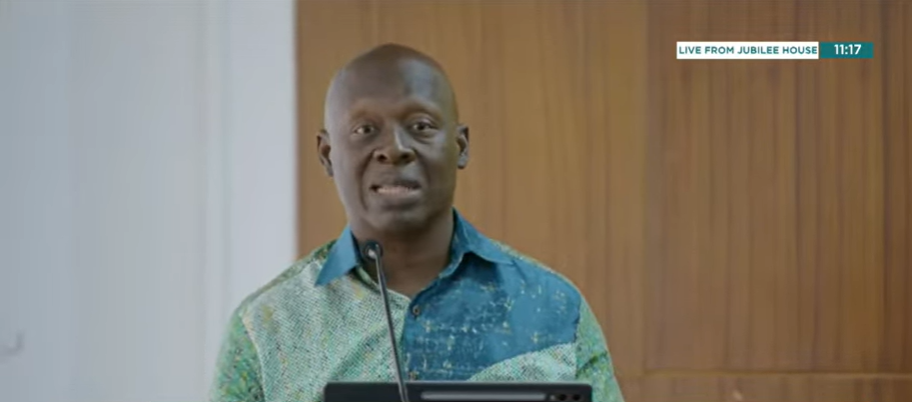
Speaking at a press briefing on Friday, July 3, GARID Project Lead and Post-Flood Mitigation Committee member, Kojo Ohene Safo, said the review examined building activity beside watercourses in 16 metropolitan and municipal assemblies.
It measured compliance with the 25-metre buffer required on both sides of drains under existing regulations. He noted that the review compared satellite and field data from 2022 to 2026 and found a consistent climb in buildings inside protected waterway corridors, with several districts showing marked growth in unapproved construction. For example, Ablekuma Central had six buildings inside the buffer in 2022, and the latest sweep found no new ones there.
Ohene Safo said this district was an outlier. By contrast, other crowded districts posted steep jumps. Ayawaso Central went from 793 buildings in the buffer in 2022 to 801 in 2026, while Ayawaso East climbed from 337 to 494 in the same window.
Ga Central added 54 more buildings between 2023 and 2025, reaching 2,329 structures along the surveyed stretch. Similar spikes appeared elsewhere. Krowor rose from 178 to 295 buildings, Okai Koi North from 596 to 729, and Ablekuma West from 904 to 1,293.
Ga North surged from 1,049 to 2,261 buildings, and Ga South moved from 746 to 871.Even narrower zones in other assemblies showed ongoing takeovers. La Dade-Kotopon increased from 544 to 638 buildings, and Adentan from 171 to 214.
Ohene Safo said the sampled zones now have 10,497 buildings sitting inside drainage buffers, calling it a major violation of zoning rules meant to keep waterways clear.
“And so, when we have the volume of rain that we do, the water doesn’t have a natural path. That will inevitably impact people it will affect them,” he stated.


