


The Ministry of Finance has disclosed that $4.2 million transferred from the Greater Accra Resilient and Integrated Development (GARID) Project to finance Covid-19-related expenditure under the previous Akufo-Addo administration remains unretired.

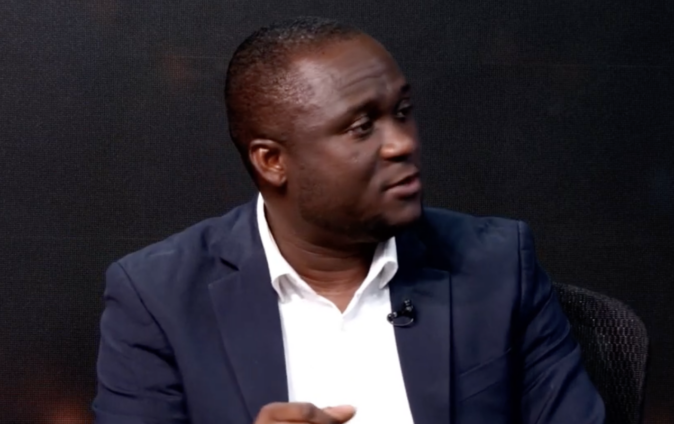
Technical Advisor at the Finance Ministry, Frederick Amissah, made the disclosure during an appearance on JoyNews‘ PM Express on Monday, July 6, where he dismissed claims that delays in the release of GARID funds had hindered the project’s implementation.
“There haven’t been any delays in the release of funds,” Mr Amissah said, stressing that the key issue was how the borrowed funds had been utilised. He noted that GARID is one of several World Bank-funded projects and that the resources involved are loans that Ghana is required to repay.
According to Mr Amissah, the Mahama administration reviewed several loan-funded projects after assuming office in 2025 and identified spending patterns that raised concerns. He cited the Ghana Economic Transformation (GET) Project, alleging that nearly GH¢1 billion was spent on travel in 2024 under the previous administration.
He explained that the GARID programme is a $350 million project, of which $137 million has so far been drawn down. Of that amount, he said, nearly half was redirected to finance Covid-19-related activities.
“The figures are out there. Nearly half of the $137 million went into Covid expenditure,” he said.
Mr Amissah stated that while $65 million was transferred for Covid-19 interventions, only $60.8 million had been properly retired, leaving an outstanding balance of approximately $4.2 million.
“About $4.2 million remains unretired,” he said.
Responding to a question on whether the Covid-19 emergency justified the diversion of the funds, Mr Amissah said he did not believe it did.
“There was no justification for that,” he stated.
He argued that Ghana had access to other sources of financing during the pandemic, including the Stabilisation Fund established during President John Mahama’s first administration, the International Monetary Fund’s Rapid Credit Facility, and support from the African Development Bank.
Mr Amissah further contended that the mobilisation of additional borrowed funds for the pandemic contributed to Ghana’s debt challenges.
He also questioned several expenditure items funded through the GARID facility, stating that about $2.8 million was spent on fumigation, while more than $1 million went towards quarantine feeding. According to him, approximately $60.8 million was also distributed to Metropolitan, Municipal and District Assemblies.
In addition, he pointed to a $3 million expenditure item listed only as “support for Covid-19 activities,” saying its purpose was unclear.
“We don’t know what that is,” he said, adding that there were also lingering questions about the effectiveness of the nationwide fumigation exercise.
Mr Amissah maintained that the use of the funds deserved close scrutiny because the loans remain obligations that Ghana must repay. He added that public officials should ensure borrowed resources are managed responsibly, particularly in light of the country’s debt burden.


