


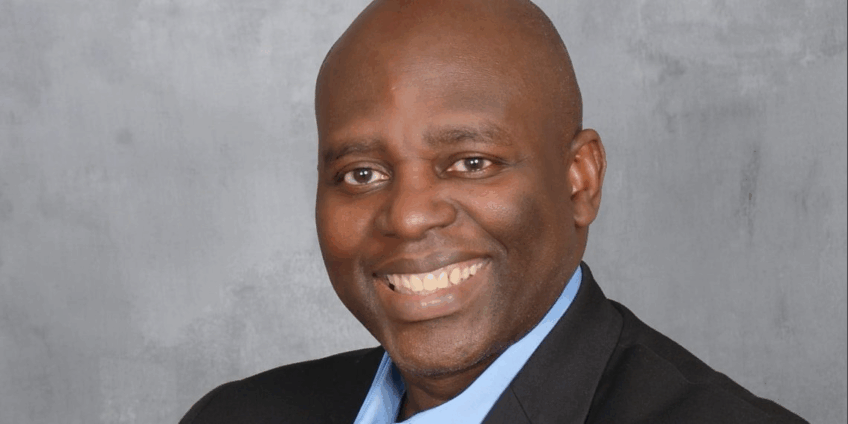
A Fellow at the Ghana Centre for Democratic Development (CDD-Ghana), Dr John Osae-Kwapong, says it remains difficult to separate the actions of state institutions from politics as long as their leaders are political appointees.

Speaking on Joy News’ PM Express on Wednesday, Dr Osae-Kwapong said changes in the leadership of state institutions often coincide with changes in government, making it challenging to view the actions of such institutions purely as administrative.
He said comments by National Democratic Congress (NDC) legal team member Abraham Amaliba on separating the administrative conduct of state institutions from politics raised an important issue.
According to Dr Osae-Kwapong, the fact that the heads of many state institutions are appointed by political authorities complicates public perceptions of their actions.
He noted that the challenge becomes even greater when investigations or legal proceedings involve high-profile politicians or politically exposed persons.
Dr Osae-Kwapong said such cases introduce political considerations that make it difficult for the public to distinguish between administrative action and political motivation.
He added that while questionable administrative conduct should be addressed, the political context surrounding such cases often leads observers to interpret the actions of state institutions through a political lens.
According to him, Ghana must find a way to address the tension between administrative accountability and political responsibility.
He questioned how appointing authorities could avoid political consequences for the actions of officials they appoint but may not have directed.
On accountability, Dr Osae-Kwapong said responsibility extends beyond the heads of state institutions.
He argued that appointing authorities have a duty to review their appointments if there are repeated and verified instances of conduct that contravene the Constitution.
He also said officials who directly supervise state institutions have a responsibility to intervene where necessary and ensure that constitutional standards are upheld.
Dr Osae-Kwapong concluded that accountability exists at multiple levels but maintained that public debate will continue to blur the line between politics and administration because such controversies often involve prominent political figures and frequently arise following changes in government.


