


Ghana has shed nearly $1.9 billion from its foreign reserves in just eight weeks, raising fresh concerns about the strength of its external safety net.

Figures from the central bank indicate that gross reserves tumbled from $12.94 billion in June to $11.07 billion by the end of August.Overall, reserves have dropped by $3.09 billion since early 2026, after closing last year at $13.83 billion.
Reserves had initially climbed to $14.16 billion in March, then eased to $13.95 billion in April before sliding to $12.94 billion in June. As a result, import cover has narrowed from 5.7 months at the start of the year to 4.2 months in August, reducing the economy’s shield against external shocks.
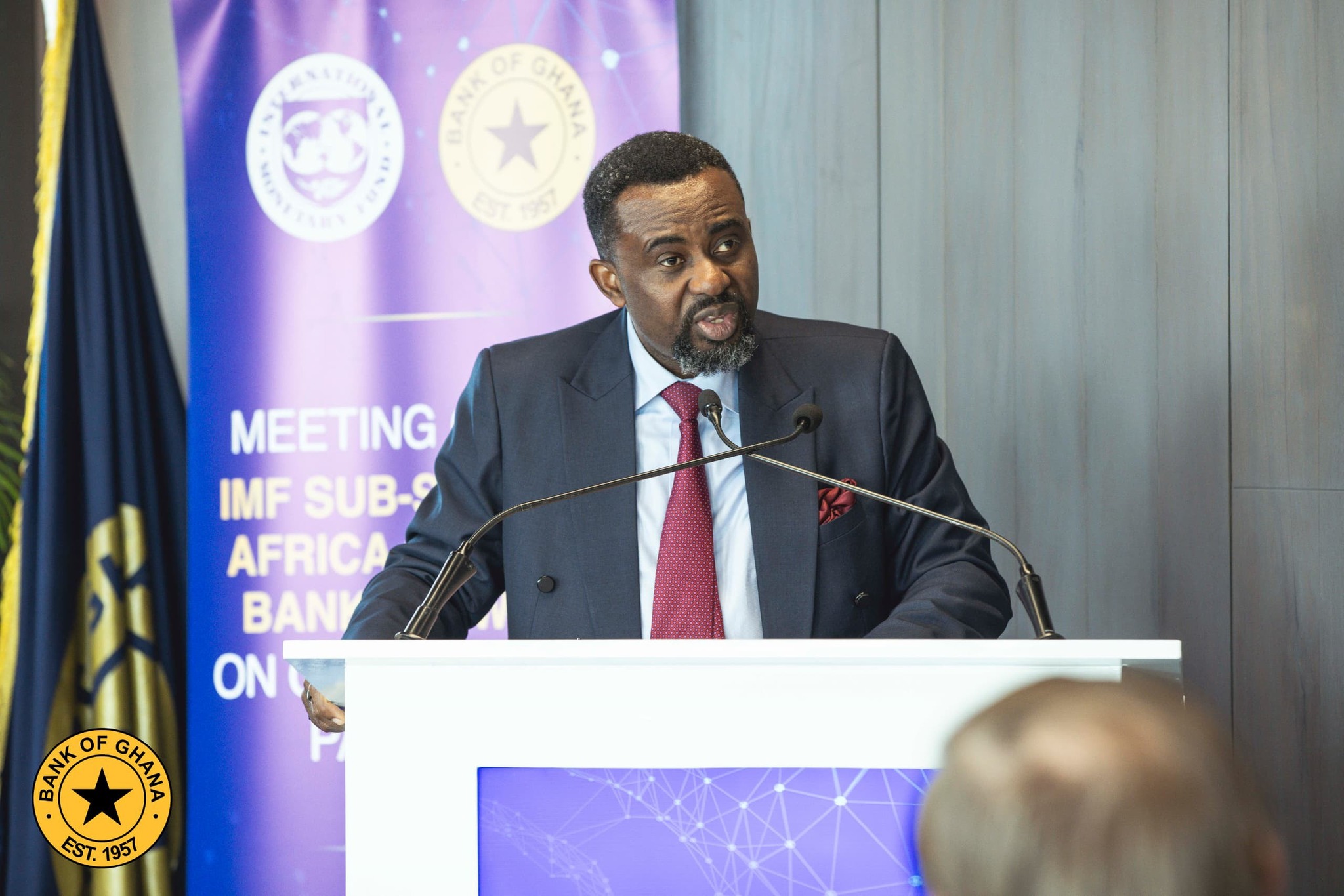
The fall is striking because export revenues, driven mainly by gold, have stayed buoyant, yet have failed to stop the depletion. At the start of the Bank of Ghana’s 132nd Monetary Policy Committee session, Governor Dr. Johnson Asiama flagged an expected current account shortfall, weakening reserves and the suspension of gold shipments by the Ghana Gold Board since mid-August as major threats.
He warned the trends need vigilant oversight, especially with foreign exchange demand typically surging in the final quarter.“Rebuilding reserves will be a key priority for the Bank in the coming months,” he said.
The dwindling buffers are now central to the MPC’s deliberations on inflation, cedi stability and growth. A prolonged slide could curb the Bank’s ability to calm the forex market if dollar demand spikes.
The halt in GoldBod’s exports deepens the worry, given gold’s central role in forex inflows. The urgent task, therefore, is to restore stability while replenishing the buffers required to absorb future pressures.


