


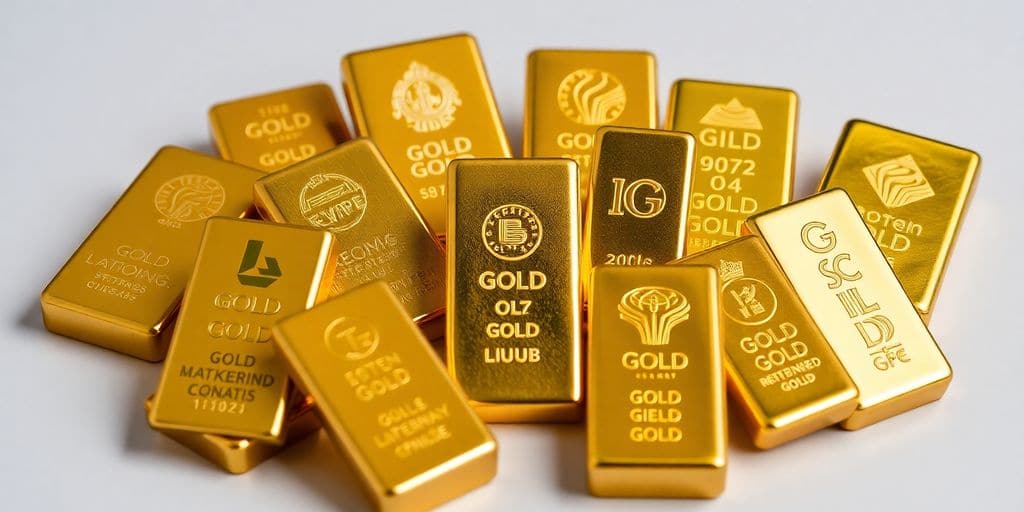
Ghana’s total export earnings have risen to a record US$22.4 billion as of August 2026, driven largely by higher gold prices and stronger commodity export receipts.

The latest figure represents a significant increase from the US$18.2 billion recorded in June 2026 and is more than double the US$11.1 billion recorded during the corresponding period in 2025.
Cocoa exports reached US$2.7 billion by August 2026, up from US$2.4 billion recorded over the same period in 2025.
Oil exports also recorded strong growth, increasing from US$1.8 billion in August 2025 to US$2.4 billion in August 2026.
Imports also rise
On the import side, Ghana spent US$13.5 billion during the first eight months of 2026, compared with US$11.2 billion over the same period in 2025.
Oil imports accounted for a significant portion of the increase, rising from US$3.2 billion to US$4.7 billion between August 2025 and August 2026.
Non-oil imports also increased, moving from US$7.9 billion to US$8.7 billion over the same period.
The stronger export performance has resulted in a US$8.8 billion trade surplus, compared with US$7.6 billion recorded in August 2025.
Analysts say the stronger trade balance could provide additional support for Ghana’s foreign-exchange position and contribute to efforts to strengthen the country’s international reserves.
Reserves remain a concern
Despite the strong export performance, Ghana’s international reserves have fluctuated in recent months.
Reserves declined from US$12.94 billion to US$11.04 billion in August, before recovering marginally to US$12.02 billion.
The movement in reserves remains an area of attention, particularly amid developments in Ghana’s gold export sector.
One concern is the reported pause in gold exports by the Ghana Gold Board (GoldBod) since August 2026. Given the importance of gold to Ghana’s export earnings and foreign-exchange inflows, any prolonged disruption could affect the country’s external position.
Analysts are also monitoring developments in global interest rates and their potential impact on commodity markets.
The recent decision by the US Federal Reserve to raise interest rates could put pressure on gold prices in the coming months. A sustained decline in gold prices could, in turn, affect one of the major drivers of Ghana’s export earnings.
The latest figures therefore point to a stronger trade position, while the outlook remains dependent on developments in gold prices, commodity exports, foreign-exchange flows and global financial conditions.


