


By Juliet Akosua Danquah
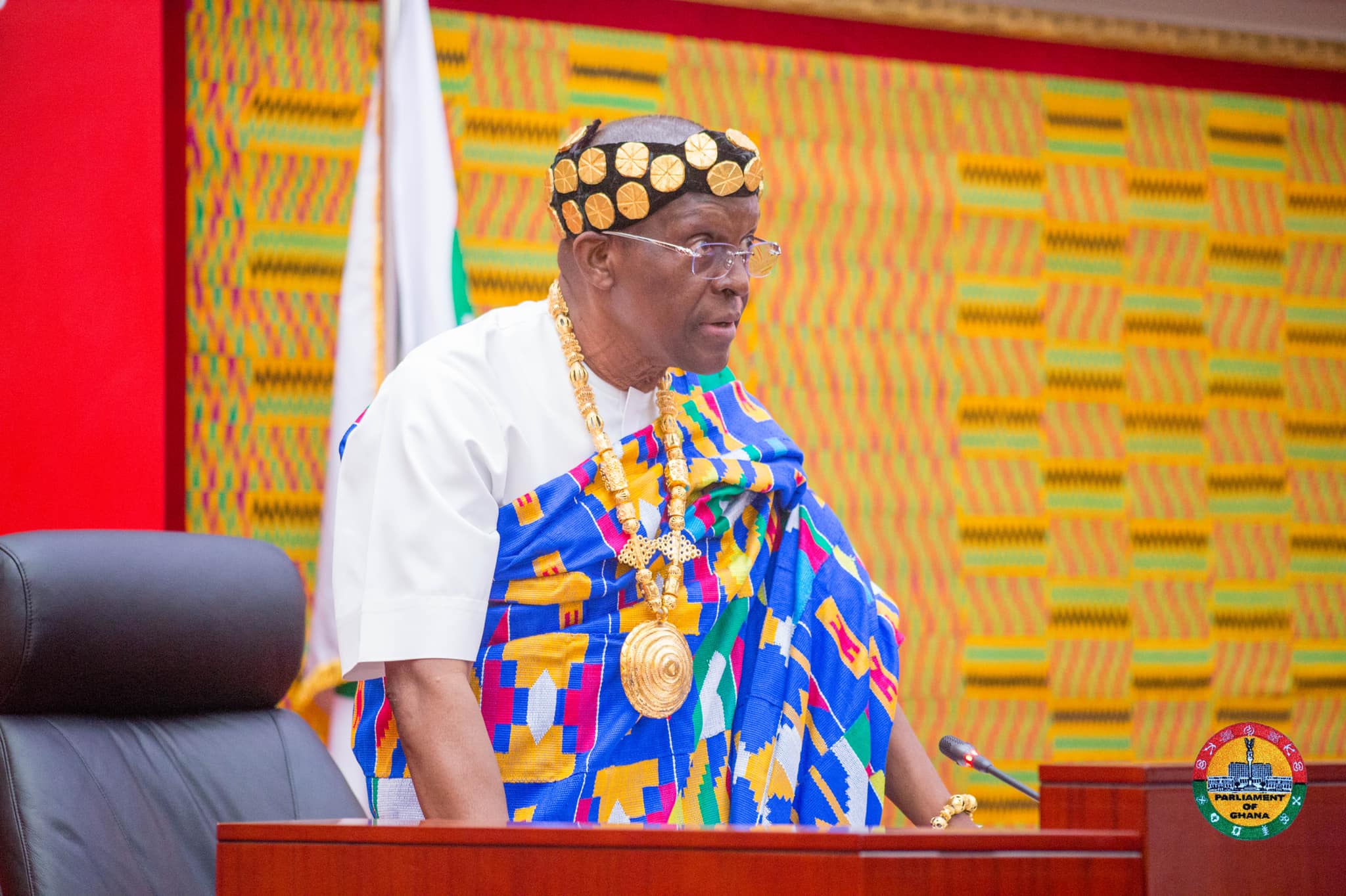
The Speaker of Parliament and Patron of the Ghana International Trade and Finance Conference (GITFiC) Debt Cancellation Initiative, Rt. Hon. Alban Sumana Kingsford Bagbin, has called for reparative justice to be placed at the centre of Africa’s debt solutions, describing the continent’s economic struggle as the continuation of its historic fight for freedom.
Addressing the 10th Ghana International Trade and Finance Conference (GITFiC) Annual Conference on the 3rd Global Debt Initiative at the Best Western Premier Hotel in Accra recently, Hon. Bagbin traced Africa’s political emancipation to leaders including Kwame Nkrumah, Frantz Fanon, Patrice Lumumba, Julius Nyerere, Amílcar Cabral, Thomas Sankara and Nelson Mandela, saying their struggle was ultimately about “the African personality, identity, dignity and self-determination.”
“Today, that struggle continues in a different form. Today, the battlefield is on the economic front,” he said.
He noted that Ghana, as the “Mecca of Pan Africanism,” has historically provided a platform for conversations on freedom, unity and the dignity of the black race, and cited President John Dramani Mahama’s call for reparative justice for the ills of the slave trade.
The Speaker commended GITFiC and its Chief Executive Officer, Mr. Selasi Kofi Akom, for championing the Global Debt Initiative and for bringing reparatory justice into the debt conversation. He argued that debt restructuring and debt swaps should be directed toward investments in education, healthcare, infrastructure, industrialisation, technology, climate resilience and opportunities for Africa’s young people.
“Reparatory justice must not remain a cold conversation about the past. It must become a buoyant articulation about our priorities for the future,” Bagbin said.
He noted that the African Union has designated 2025 as the Year of Justice for Africans and People of African Descent through Reparations, and that UN Trade and Development has recognised debt-for-development swaps as an instrument to redirect debt resources toward development priorities.
Bagbin rejected the portrayal of Africa as a passive victim.
“Africa is not a helpless victim seeking pity. Africa and the rest of the Global South seek justice, partnership, and the opportunity to build the future that their people deserve,” he said.
He urged the gathering of policymakers, parliamentarians, diplomats, development partners and civil society actors to move from remembrance to action.
“Our generation must fight for freedom to develop ourselves,” he said. “Today, the stage is ours. It is our turn.”
The Speaker also saluted the United Nations Resident Coordinator, Mr. Zia Choudhury, and all participants for joining the conversation, and predicted that future generations would remember them as veterans of the struggle.
“When that victory song is sung, you all gathered here will be our war veterans. Posterity will remember how fiercely you donned the battle gear and fought gallantly to win justice and fairness for Africa,” he said.
He assured participants of the continued support of the Parliament of Ghana and the Conference of Speakers and Presidents of African Legislatures (CoSPAL) for GITFiC’s Global Debt Initiative, saying their “eyes are fixed on the same trophy”: major debt relief for Ghana, Africa and the Global South.
He concluded with a call for a fairer economic future:
“May our deliberations contribute to a more just Africa, an Africa that is economically emancipated and not emaciated; an Africa that is free not only politically but economically too.”


