


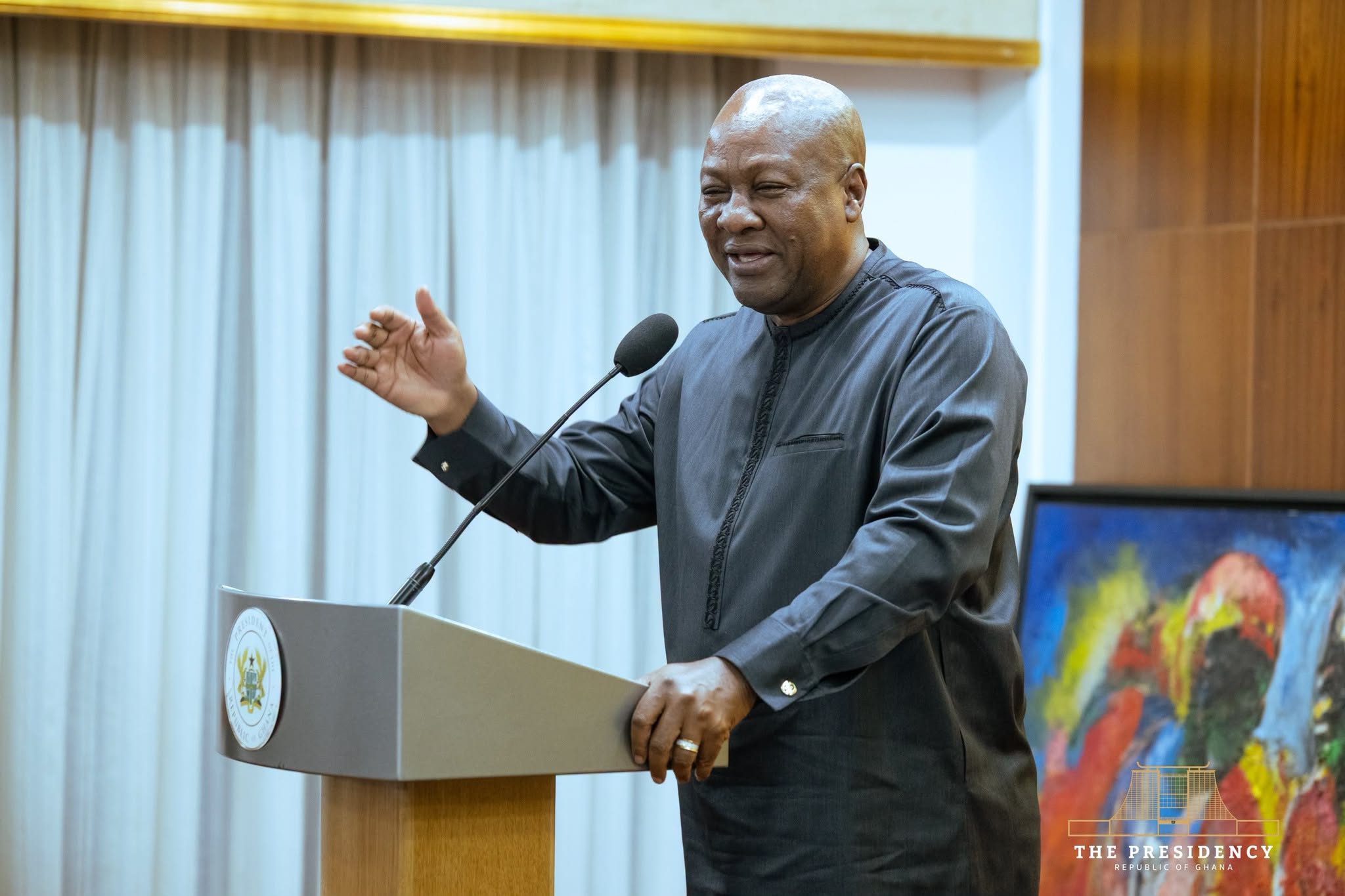
President John Dramani Mahama says Ghana has generated GH¢7.8 billion in royalties from large-scale gold mining companies since introducing a sliding-scale royalty regime in 2026, describing the policy as part of efforts to ensure the country’s mineral wealth delivers greater benefits to its people.

He has called on African countries to renegotiate existing mineral agreements and exercise greater control over their natural resources to ensure that revenues from extraction translate into jobs, investment and improved living conditions for local communities.
Speaking at the West Africa Integration and Investment Summit in Sierra Leone, President Mahama said Ghana had moved away from fixed royalty arrangements that maintained payments at three per cent under development and stability agreements.
Under the new system, royalty payments are linked to prevailing gold prices, ranging from a minimum of five per cent when prices are low to 12 per cent when prices rise.
He explained that the previous arrangements had locked the country into a three per cent royalty rate, limiting its ability to benefit from increases in international gold prices.
“So we signed the development agreements and locked in the royalty at 3%. So today I said, no, we cannot have that. Let us switch to a sliding scale: if the price comes down, we will come down to the minimum royalty, 5%. If it goes up, as gold has done, we’ll charge you 12%,” he said.
President Mahama disclosed that since the relevant law was passed in 2026, large-scale gold mining companies had paid GH¢7.8 billion in royalties, with the prevailing gold prices attracting the maximum 12 per cent rate.
He urged African governments to review existing mineral agreements and develop strategies that allow their countries to retain more value from natural resource extraction.
“We must look at all these mineral rights again and see how we invest in order that it benefits our people,” he said.
The President argued that Africa must move away from extractive arrangements that generate wealth for foreign jurisdictions while leaving resource-rich communities with limited economic benefits.
“From our colonial inheritance, we were taught that people come and ask for concessions, we sign a concession, a 30-year concession, and where does the value go? It goes to build wealth in other jurisdictions,” he stated.
Mahama highlights Gold Board’s contribution
President Mahama also cited the establishment of the Ghana Gold Board (GoldBod) as another intervention aimed at retaining more economic value from the country’s gold resources.
According to him, artisanal and small-scale gold production increased from 64 tonnes, valued at $4.6 billion in 2024, to 104 tonnes, generating $10.8 billion for the Ghanaian economy following the introduction of the Gold Board law.
The legislation requires gold exports to pass through the Gold Board, with violations attracting the confiscation of gold and possible imprisonment.
He said the policy was intended to strengthen oversight of the gold trade, improve the country’s earnings and ensure that more revenue from mineral resources remains within the domestic economy.
President Mahama maintained that African countries must rethink how they manage their natural resources, insisting that the continent’s mineral wealth should directly contribute to the prosperity of its people.
“African minerals must be a source of wealth and prosperity for African people,” he stressed.


