


Ghana’s export earnings climbed to a record US$30.4 billion between January and October 2026, driven largely by increased gold exports, according to the Bank of Ghana’s latest Summary of Economic and Financial Data.

The figure represents a significant increase from the US$23.3 billion recorded during the corresponding period in 2025, despite continued uncertainty in the global economy.
Gold leads export earnings
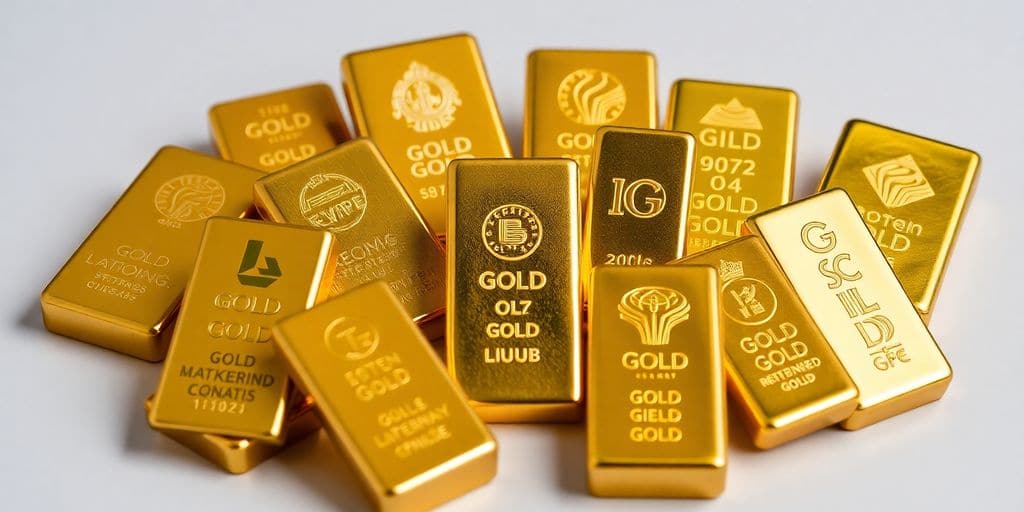
Gold remained Ghana’s largest source of export revenue, generating US$20.9 billion in the first ten months of 2026, compared with US$15.2 billion recorded over the same period last year.
Cocoa exports also recorded an improvement, bringing in US$3.1 billion, up from US$2.8 billion in 2025.
Meanwhile, oil exports generated US$3.2 billion, compared with US$2.2 billion a year earlier.
Other exports contributed approximately US$3 billion to the country’s total export earnings.
Import expenditure rises
Ghana’s import bill also increased during the period, reaching US$17.1 billion between January and October 2026, compared with US$14.6 billion in the corresponding period of 2025.
Oil imports accounted for US$6.3 billion of the total, representing an increase from US$4.2 billion recorded a year earlier.
Non-oil imports amounted to approximately US$11 billion.
Despite the increase in import expenditure, Ghana recorded a trade surplus of US$13 billion, significantly higher than the US$8.7 billion posted during the same period in 2025.
The surplus reflects the country’s stronger export performance, with earnings from goods sold abroad substantially exceeding expenditure on imports.
Gross international reserves decline marginally
Despite the growth in export earnings and the improved trade balance, Ghana’s gross international reserves recorded a marginal decline.
The Bank of Ghana’s data show that reserves stood at US$11.9 billion in October 2026, down from US$12 billion in September.
The reserve position was sufficient to cover approximately 4.4 months of imports.
Meanwhile, Ghana’s gold holdings declined to 26 tonnes in October 2026, compared with 38 tonnes recorded in October 2025.
The latest figures highlight the strong contribution of gold to Ghana’s export performance, while also pointing to developments in import expenditure and international reserves that remain important to the country’s external economic position.


