


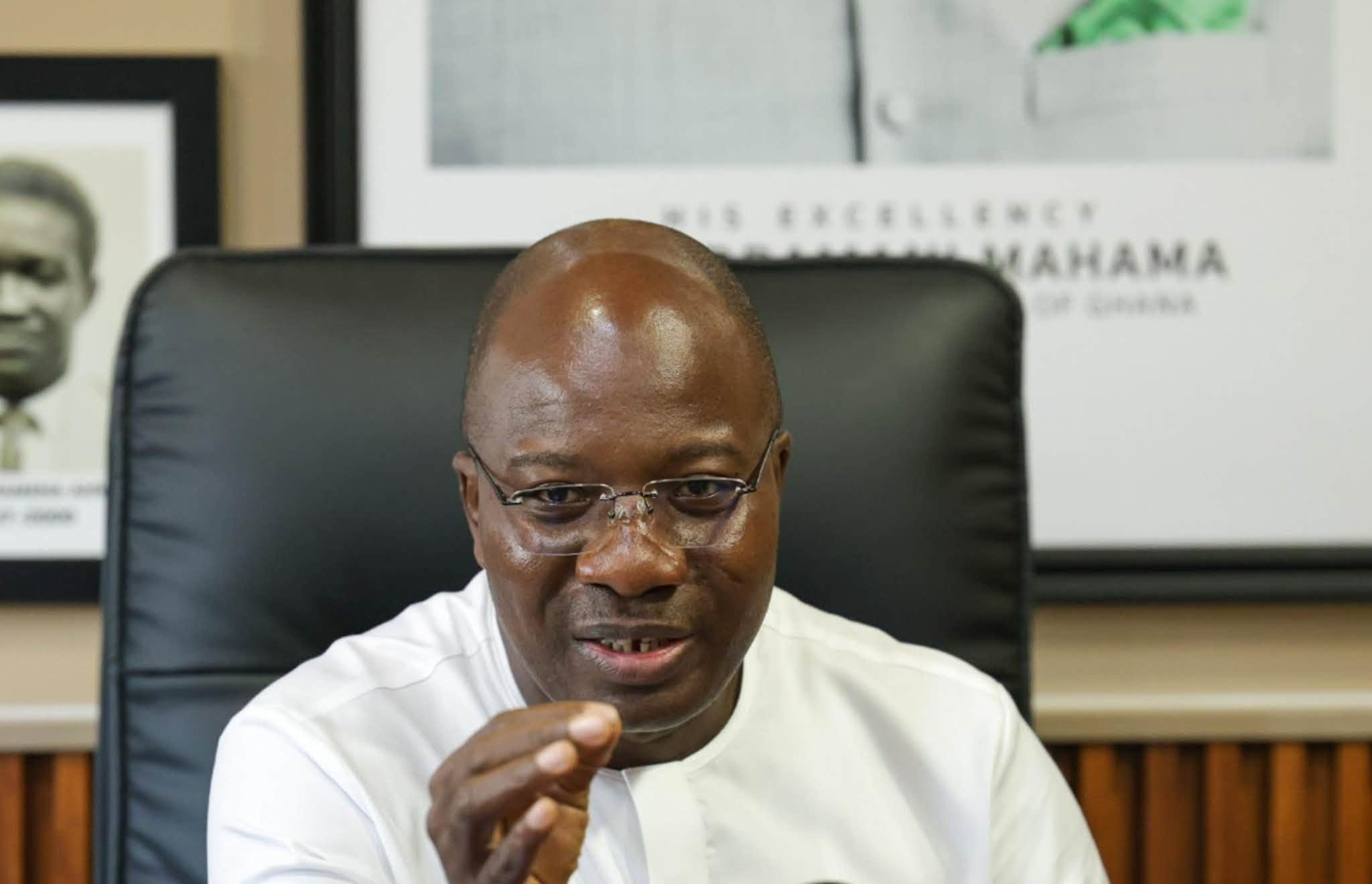
The government says the expansion of Aayalolo Bus Rapid Transit (BRT) services is aimed at encouraging private motorists to leave their cars at home and use public transport rather than pushing trotro operators out of business.

Minister for Local Government, Chieftaincy and Religious Affairs, Mahama Ayariga, said the objective is to provide commuters with a faster, more reliable and comfortable alternative for travelling into Accra, particularly during peak periods.
Speaking on Citi FM on Monday, September 28, Mr Ayariga said improving the quality and predictability of public transport could persuade motorists who currently travel alone in private vehicles to switch to mass transit.
“What I want to do is to actually take out the car owners who every morning, you’re standing by the roadside, they are going to work, and you see one person sitting in the car,” he said.
“If you gave them an alternative, which is a clean, you know, rapid transport system, a bus where he goes, he doesn’t have to sweat; he just stands. And in 15, 20 minutes, he is at Accra Central,” he added.
Mr Ayariga rejected concerns that expanding Aayalolo services could undermine the livelihoods of commercial transport operators.
He argued that significant demand for transportation would remain between communities and major destinations, leaving room for trotros and other commercial vehicles to continue serving commuters.
“There’s still a lot of work for transport stations in between the two far ends,” he said.
The Minister also highlighted the introduction of fixed departure times as an important part of the service, saying greater predictability would allow passengers to better plan their journeys.
His comments come ahead of the rollout of a pilot contra-flow arrangement for Aayalolo buses on some of Accra’s major transport corridors from Tuesday, September 29.
The pilot will cover the Amasaman–Accra, Adenta–Accra and Kasoa–Accra corridors during peak hours.
Under the arrangement, designated lanes will be reserved exclusively for Aayalolo buses as part of efforts to reduce travel times and improve the efficiency of public transport into the capital.


