


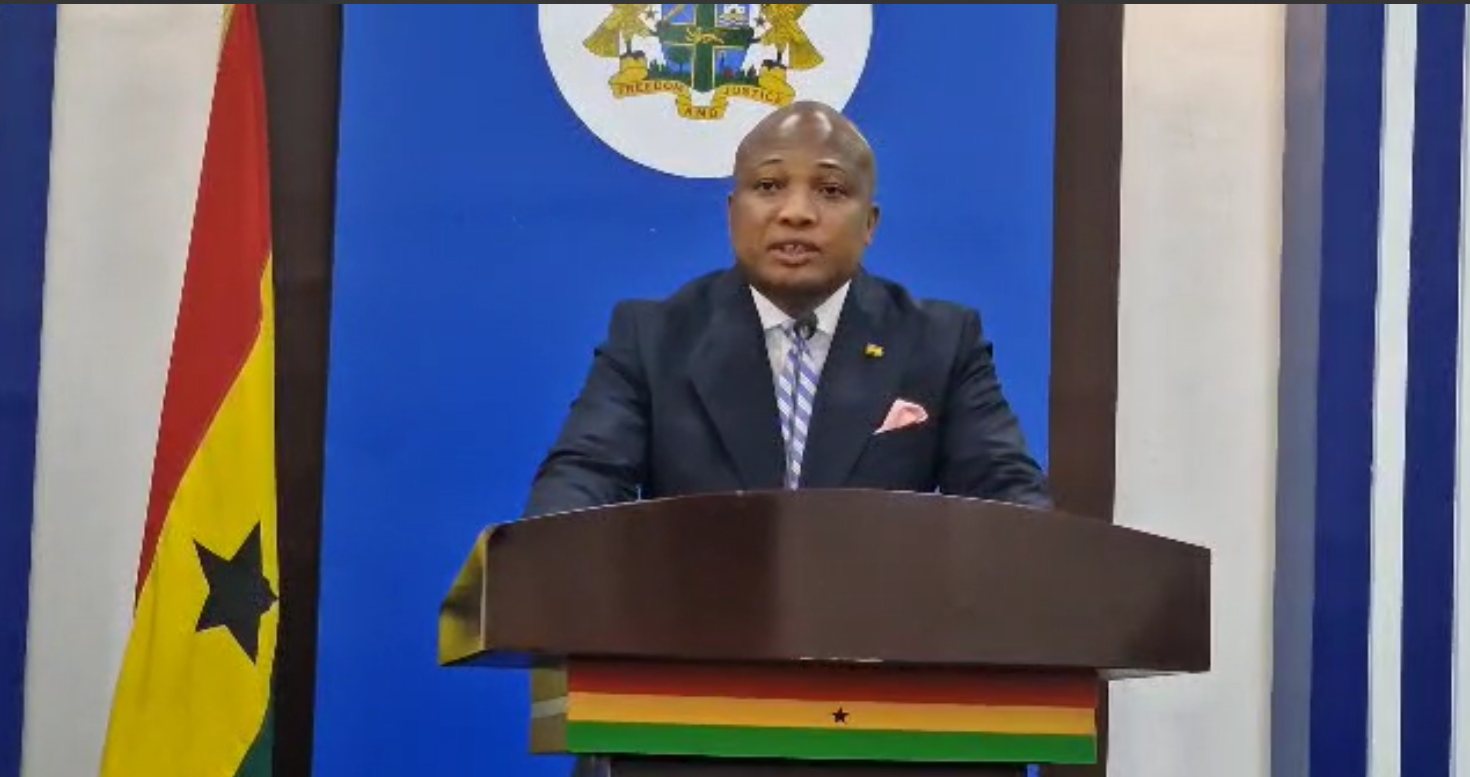
The Minister for Foreign Affairs, Samuel Okudzeto Ablakwa, has provided detailed clarification on the government’s newly announced free visa policy for African citizens.

The policy, unveiled by President John Dramani Mahama, is due to take effect on Africa Day, 2026. It will allow travellers from across the continent to apply for Ghanaian visas without paying any fees, marking a significant step towards easing movement within Africa.
However, Mr Ablakwa’s post sought to dispel what he described as widespread misconceptions, stressing that “free visa” does not translate into unrestricted or automatic entry.
“Gratis, but not without scrutiny” Central to the Minister’s explanation is the distinction between cost and process.
While African applicants will no longer pay visa fees, they will still be subject to the same application procedures and screening requirements as other travellers.
“All applicants including Africans will have to apply for visas,” he noted, adding that the only difference is that their applications will be processed free of charge.
The government is introducing an electronic visa regime next month, designed to streamline applications while strengthening border controls. The new system will be integrated with Ghana’s API-PNR (Advance Passenger Information and Passenger Name Record) infrastructure, as well as international crime databases. According to the Minister, this will enable consular officials to conduct thorough background checks before granting entry.
“The novel e-visa system shall allow our officers to check the background of applicants and provide appropriate vetting to ensure Ghana’s security is not compromised,” he explained.
A key point repeatedly highlighted in the Minister’s post is that the removal of visa fees does not equate to automatic admission into the country. Individuals with criminal records or those deemed to pose a risk will be refused entry. “There shall be no automatic and unvetted entries,” Mr Ablakwa stressed, reinforcing the government’s position that national security remains paramount. The Minister also revealed that significant investments have been made by the Ministries of Foreign Affairs, Interior and Transport to support the rollout.


