


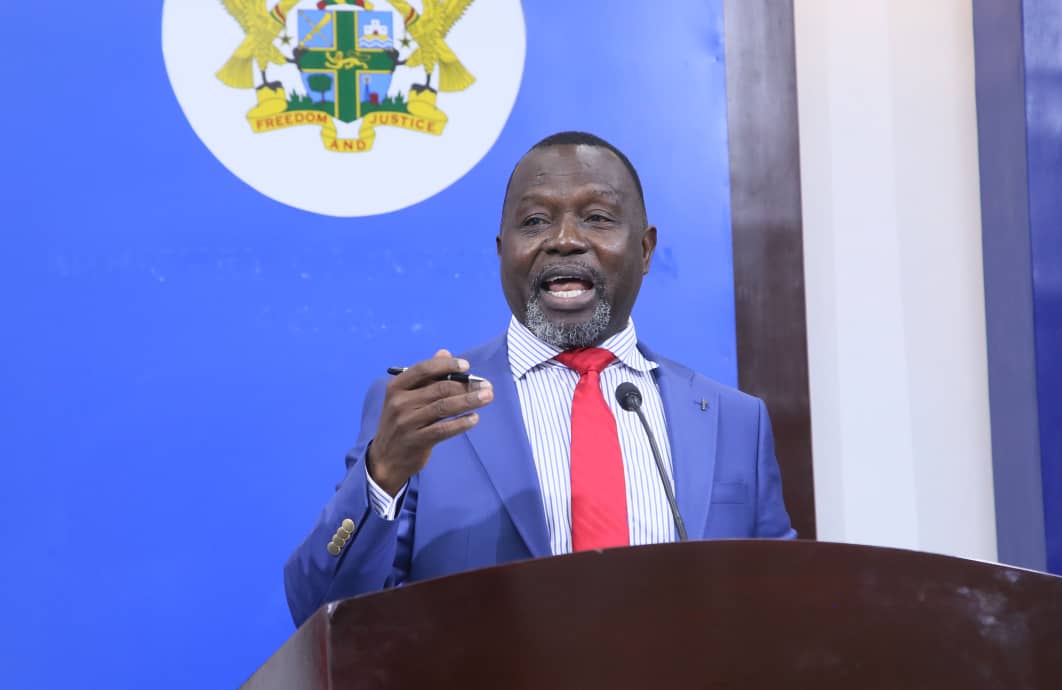
Attorney-General and Minister for Justice, Dr. Dominic Akuritinga Ayine, has laid the Tribunal Bill, 2026 before Parliament, proposing the re-establishment of tribunals as part of Ghana’s justice delivery system.

If passed, the legislation will introduce Regional and District Tribunals to complement the existing court system in the administration of justice.
The Bill has already undergone its first reading and has been referred to Parliament’s Constitutional, Legal and Parliamentary Affairs Committee and the Judiciary Committee for consideration. Dr. Ayine also appeared before the joint committee last week to discuss the proposed legislation.
Purpose of the Bill
According to the explanatory memorandum, the Bill seeks to provide for the establishment, jurisdiction, composition and operation of tribunals in accordance with the Constitution. It also proposes the establishment of a Tribunal Oversight Committee to supervise the new system.
Why Tribunals Are Being Reintroduced
The Attorney-General explains that the Bill is intended to address a legal gap created by the inactivity of tribunals established under Article 126 of the 1992 Constitution, leaving that component of Ghana’s judicial system effectively defunct.
The proposed legislation also seeks to improve access to justice, reduce the growing backlog of cases in the traditional courts and promote faster resolution of certain categories of cases.
Additionally, the Bill aims to encourage greater citizen participation in the administration of justice, in line with constitutional provisions that permit public involvement through public and customary tribunals.
It further proposes specialised tribunals to handle cases that require technical expertise or expedited adjudication.
Proposed Tribunal Structure
The Bill outlines a reformed tribunal system that will operate within the Judiciary, with a strong emphasis on due process, respect for human rights and addressing historical concerns associated with the former public tribunal system.
It proposes a two-tier structure comprising Regional Tribunals and District Tribunals.
Administration of the tribunals will fall under the Judicial Council in consultation with a proposed Tribunal Oversight Committee. The legislation also sets out codes of conduct, disciplinary procedures and clear rules governing the appointment, retirement and removal of tribunal members.
Under the Bill, all tribunal decisions will be subject to appellate review to ensure compliance with constitutional safeguards and the protection of the rights of litigants.
Jurisdiction of the Tribunals
Regional Tribunals will exercise powers equivalent to those of the High Court and will have concurrent original jurisdiction with the High Court in specified criminal matters.
These include offences under the Criminal Offences Act, the Narcotics Control Commission Act, the Income Tax Act, the Customs Act and the Minerals and Mining Act.
The Regional Tribunals will also hear cases involving economic crimes, the loss of state funds or property, and offences against the state or the public interest as may be prescribed by Parliament.
District Tribunals, on the other hand, will have powers comparable to those of the Circuit Court in specified criminal matters. They will exercise concurrent jurisdiction with the Circuit Court but will not handle treason, indictable offences or capital offences.
Matters Excluded
The Bill expressly excludes cases involving constitutional interpretation under Article 130 of the Constitution, human rights enforcement matters and any other proceedings specifically excluded by law.
The Tribunal Bill, 2026 is currently under consideration by Parliament’s committees as lawmakers begin detailed scrutiny of the proposal to reintroduce a modern tribunal system into Ghana’s justice architecture.


