


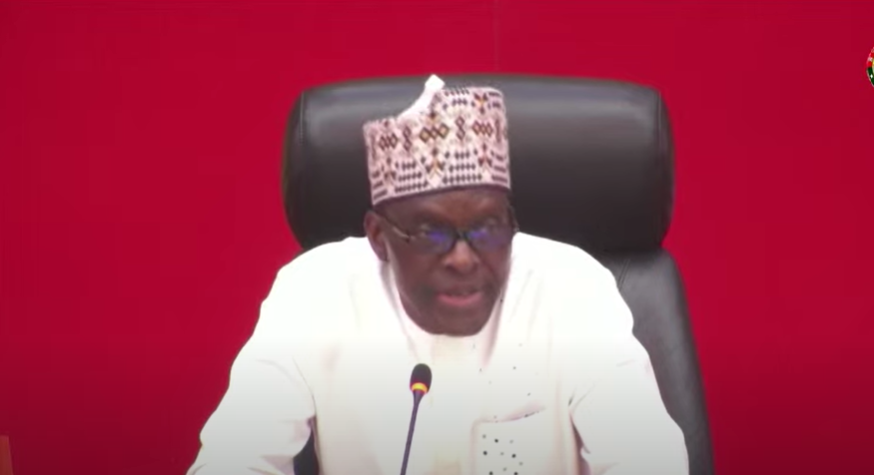
Speaker of Parliament Alban Bagbin has directed the House to revisit the passage of the Human Sexual Rights and Family Values Bill, popularly known as the anti-LGBTQ+ Bill, following concerns about whether the level of bipartisan support reflected in the committee report was adequately demonstrated during proceedings on the floor of Parliament.

The Speaker’s directive comes amid growing scrutiny of the circumstances under which the controversial legislation was passed on May 29, 2026.
According to Mr. Bagbin, the committee report accompanying the bill indicated unanimous support from both Majority and Minority members who considered the legislation. However, he noted that the same level of bipartisan consensus was not clearly reflected during deliberations and voting in the House.
He explained that when a committee presents a report showing unanimous or bipartisan support for a bill, such consensus should be evident in the parliamentary proceedings that follow.
As a result, the Speaker believes Parliament must reconsider aspects of the bill’s passage to ensure that the bipartisan backing captured in the committee report is properly reflected in the legislative process.
The development introduces a new dimension to the debate surrounding the Human Sexual Rights and Family Values Bill, which has attracted significant attention both locally and internationally.
The legislation seeks to prohibit LGBTQ+ activities and advocacy in Ghana and has been championed by lawmakers from both sides of the political divide. Supporters argue that the bill is necessary to protect Ghanaian family values and cultural traditions, while critics contend that some of its provisions could infringe on constitutional rights and freedoms.
Mr. Bagbin’s intervention comes against the backdrop of broader concerns about procedural compliance during the bill’s passage, including questions about quorum requirements and whether all parliamentary procedures were properly followed.
Meanwhile, President John Mahama has indicated that the legislation still faces several procedural and legal hurdles before it can become law.
Speaking at Chatham House in London on June 1, the President stated that the bill would undergo further scrutiny once it reaches his office, stressing that “there’s still quite a while to go” before any decision on assent is made.
Mahama explained that because the legislation originated as a private member’s bill rather than a government-sponsored bill, it would be subject to a comprehensive legal and constitutional review.
“Once the president gets it, you go through it because you’re not part of the discussion in Parliament,” he said.
“The legal representatives in the Presidency and the Attorney General would sit on it and make sure that everything is in order before the president is advised to assent.”
The President also referenced concerns that have emerged regarding the bill’s passage, including allegations that Parliament lacked the required quorum at the time of voting and claims of procedural irregularities.
Earlier on the same day, Speaker Bagbin reportedly expressed surprise at the bill’s passage, indicating that he had understood it was only scheduled to be laid before the House for consideration rather than passed.
Consequently, the Speaker convened a meeting with parliamentary leadership to clarify the circumstances surrounding the proceedings.
President Mahama acknowledged these developments during his remarks in London.
“I just got some communication that the Speaker was reading a statement to address the issue of the lapses in the passage of the bill,” he said.
The President further noted that he retains constitutional options should significant concerns arise during the review process, including referring the legislation to the Council of State for advice.
“If there are substantial issues that are raised, the president would return the bill to Parliament indicating exactly what the issues are,” he stated.
The latest developments suggest that despite Parliament’s approval of the bill, further legislative and constitutional scrutiny is likely before it reaches the final stage of presidential assent.


