


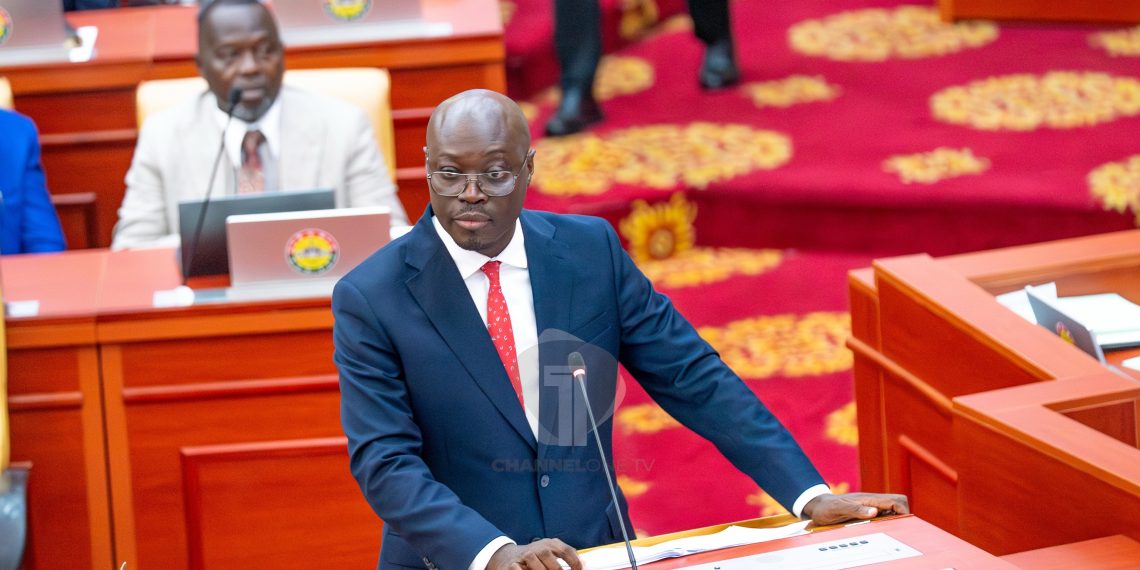
Finance Minister Cassiel Ato Forson has announced that the Ghana Cocoa Board will soon issue commercial papers to raise approximately US$1 billion to finance cocoa bean purchases for the 2026/2027 crop season.

Speaking at the Ghana-UK Investment Summit 2026 in London, Dr. Forson said the initiative forms part of a new financing strategy designed to reduce COCOBOD’s reliance on traditional offshore syndicated loans, which have become increasingly difficult to secure.
According to the Finance Minister, the transaction advisor for the programme has completed its work and submitted its report, clearing the way for the commercial paper issuance in the coming weeks.
“The transaction advisor just submitted the report and we will issue very soon. We are not solely relying on Ghanaian banks but pension funds and non-resident investors. We will issue it in three tranches,” Dr. Forson disclosed.
He explained that the programme remains subject to the passage of the new Cocoa Bill by Parliament and subsequent presidential assent. Once the necessary approvals are secured, government will provide further details on the structure and implementation of the fundraising initiative.
The planned issuance is expected to generate about US$1 billion to support cocoa purchases during the next crop season, ensuring that COCOBOD has sufficient liquidity to pay farmers promptly and sustain operations across the cocoa value chain.
The move represents a major shift in the financing model of Ghana’s cocoa sector. For decades, COCOBOD has relied primarily on annual syndicated loans from international financial institutions to finance cocoa purchases. However, rising debt levels, volatile market conditions and tighter global financing environments have made that approach increasingly challenging.
Under the proposed framework, COCOBOD intends to issue cocoa-backed domestic debt instruments that will create a revolving fund for cocoa purchases. The funds would then be repaid from proceeds generated through cocoa sales within the same crop year.
Industry analysts believe the initiative could help deepen Ghana’s domestic capital market by attracting investment from pension funds, local institutional investors and foreign investors seeking exposure to the country’s cocoa industry.
The new financing model is also expected to benefit indigenous Licensed Buying Companies (LBCs), many of which have faced difficulties under the existing funding structure. Additionally, it could enable COCOBOD to supply more cocoa beans to local processing companies, supporting value addition, industrialisation and job creation.
COCOBOD’s financial position has come under increased scrutiny in recent years, with concerns over its debt burden, which stood at approximately GH¢32 billion earlier this year. Analysts say a successful commercial paper programme could diversify funding sources, reduce financing risks and improve the long-term sustainability of the sector.
As one of Ghana’s most important economic sectors, cocoa remains a major contributor to export earnings, foreign exchange inflows and rural livelihoods. Government officials believe the new financing framework will strengthen the industry’s resilience while ensuring continued support for cocoa farmers nationwide.


