


Story By: Dennis Ato Keelson, Belém, Brasil, Courtesy Jospong Group of Companies.

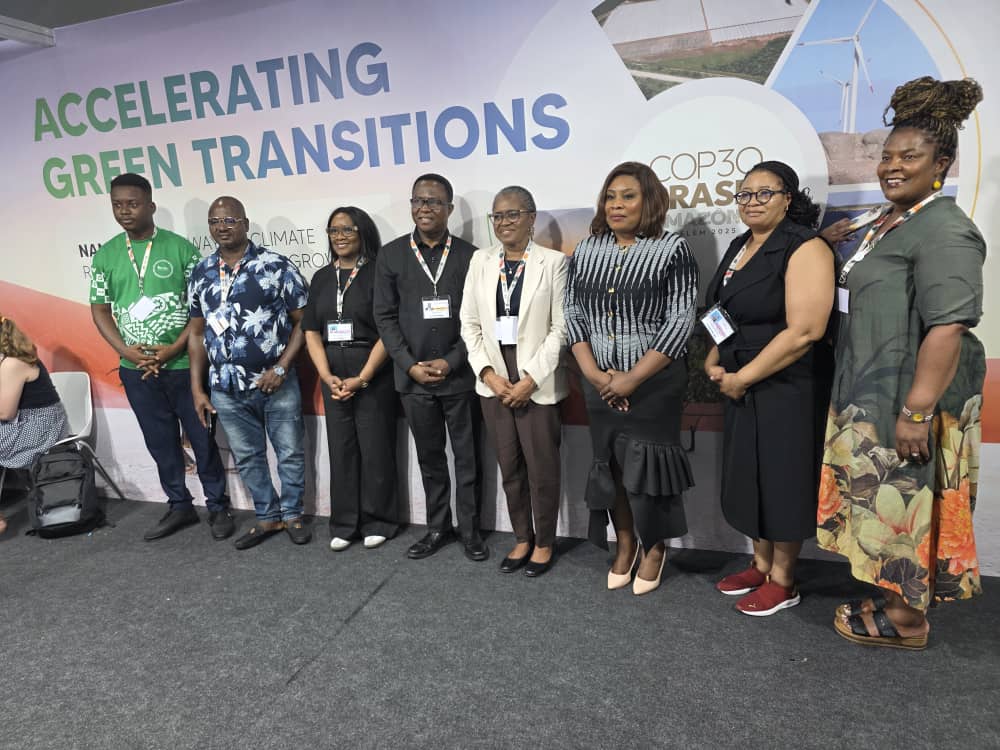
At the Namibian Pavilion during COP30 in Brasil, a promising new African partnership began to take shape.
The Jospong Group of Companies (JGC) from Ghana has entered formal talks with the Government of Namibia on a potential collaboration to transform the country’s waste management and create green jobs.
The meeting, hosted by Namibia’s Minister of Environment, Forestry and Tourism, Hon. Indileni N. Daniel, on Wednesday, Novemberb19, showcased Jospong’s growing reputation as a leader in Africa’s circular economy.
Led by the Chief Investment Officer, Mr. Noah Gyimah, the Jospong delegation presented their integrated waste transformation model, highlighting the scalable success of their Integrated Recycling and Compost Plants (IRECOPs). He described the facilities as a comprehensive, African-grown solution for sorting and recycling solid waste, composting, and treating liquid and medical waste.
He detailed the group’s expanding continental footprint, with 32 plants in Ghana and operations or partnerships in nations like Nigeria, Kenya, and Angola. A key point of interest for Namibia was Jospong’s proven success in the carbon credit market. Mr. Gyimah cited a landmark $20 million agreement stemming from a COP28 deal, which verified the plants’ significant carbon reduction through landfill diversion.
In response, Hon. Daniel expressed strong enthusiasm, stating that Jospong’s Africa-developed model aligns perfectly with Namibia’s environmental and industrial goals. “We are not just looking for a waste solution. We are looking for a solution that fits our context, one that empowers communities, creates sustainable jobs, and builds pride in African innovation,” she said.

The minister announced plans for a Namibian ministerial delegation to visit Ghana for a firsthand assessment of Jospong’s facilities. She confirmed that discussions would be elevated to an inter-governmental level, involving Namibia’s industrial, finance, and climate portfolios to explore how to adapt and scale the model.
The dialogue was hailed by observers as one of the most promising South-South climate partnerships emerging from COP30, signaling a significant step toward turning waste into value and green jobs for Namibia.


