


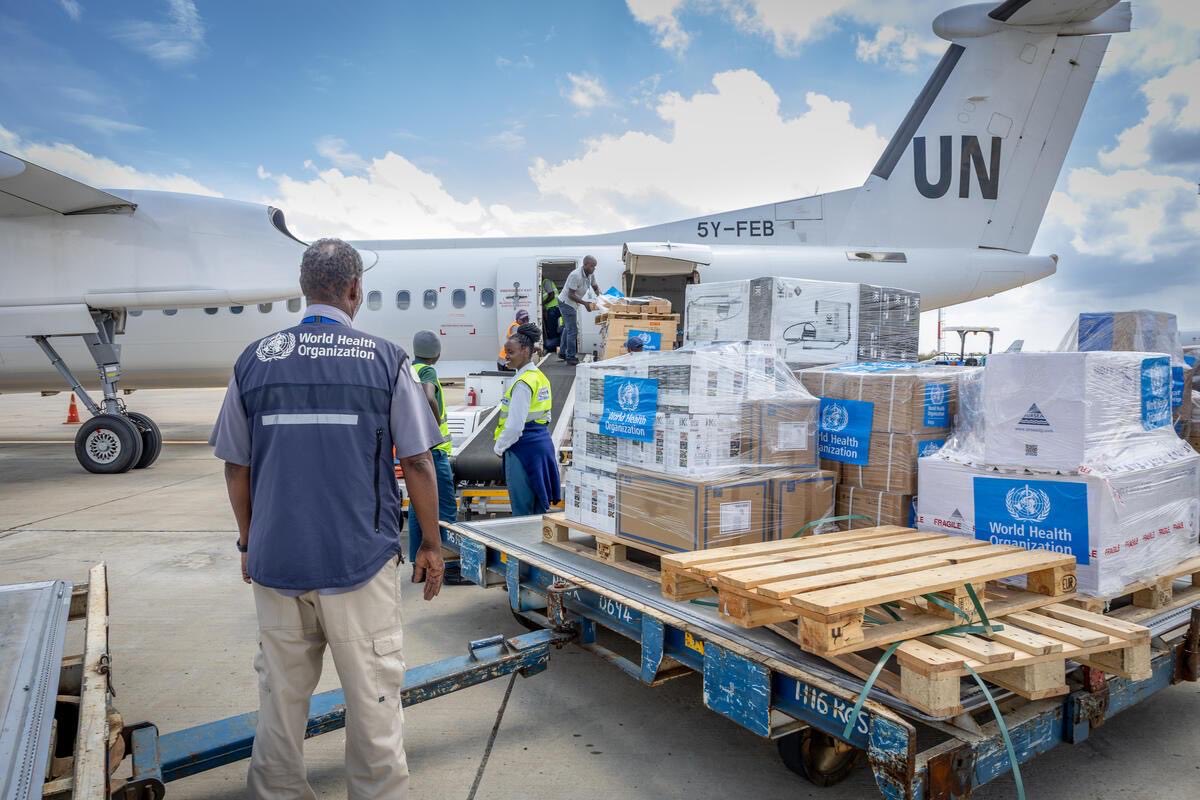
The United Nations (UN) has released $60 million from its emergency relief fund to help stop a lethal Ebola surge hitting the Democratic Republic of the Congo and neighbouring areas.

The allocation, disclosed in a Facebook update on Friday, May 22, will strengthen core control measures such as tracing contacts, setting up care facilities and boosting local outreach to slow transmission.
The epidemic, centered in DR Congo, has logged roughly 750 suspected infections and 177 fatalities so far, triggering concern among public health officials and global agencies.
The World Health Organsation (WHO) classified the surge as a Public Health Emergency of International Concern on Sunday, May 17, highlighting the gravity of the crisis and the need for unified worldwide action.
Experts note this episode involves the uncommon Bundibugyo type of Ebola, which currently lacks an approved vaccine. The pathogen is thought to kill about one in three infected individuals, making swift containment critical.
Efforts will prioritise fast identification of cases, isolating patients, and community awareness campaigns to limit spread in hotspots.
Ebola Explained: Key Facts
What triggers this surge? Ebola stems from a virus. It’s uncommon but often severe and fatal. Three Ebola virus types spark epidemics, and this one is Bundibugyo.
How does Ebola pass between people? Transmission occurs via contaminated body fluids like blood and vomit.How lethal is this type? Past Bundibugyo Ebola outbreaks saw roughly 30% mortality.
What’s the delay before symptoms? Signs emerge 2 to 21 days after exposure.
What symptoms appear?
Early signs hit abruptly and resemble flu: fever, headache, fatigue. Later, vomiting and diarrhea occur, organs weaken, and some patients bleed internally or externally.Where does Ebola originate? Outbreaks begin when humans catch the virus from infected wildlife, especially fruit bats.Is vaccination available? Vaccines exist for the Zaire Ebola strain, but none are confirmed for Bundibugyo.Ebola was first identified in 1976 in present-day DR Congo and is believed to have jumped from bats. This marks the country’s 17th outbreak of the fatal virus.There’s no established cure for Ebola, and the WHO puts average lethality near 50%. Africa CDC has voiced worry about elevated spread risk due to urban centers in Rwampara and Bunia, plus mining operations in Mongwalu.Agency head Dr Jean Kaseya said heavy movement of people between affected zones and nearby nations makes cross-border coordination vital.Over the last 50 years, about 15,000 people have died from the virus across African nations.DR Congo’s worst outbreak ran from 2018 to 2020, claiming nearly 2,300 lives.Last year, 45 people died during an episode in a remote district.


