


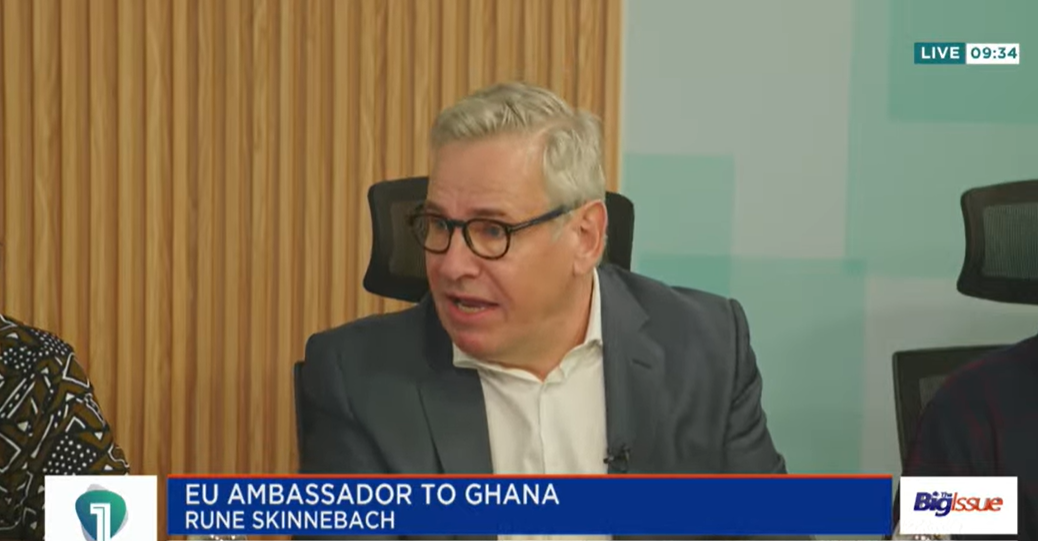
The European Union’s (EU) Ambassador to Ghana, Rune Skinnebach, has explained that the bloc’s decision to abstain from voting on the United Nations (UN) resolution condemning the transatlantic slave trade as a “grievous crime against humanity” doesn’t imply opposition.

The resolution, championed by Ghana, garnered 123 votes in favour, with 3 against and 52 abstentions, including EU member states.
Speaking on Channel One TV on March 28, Skinnebach said the EU engaged constructively in negotiations but had concerns with the final text.
“We put forward suggestions that weren’t taken on board. We abstained for clear reasons, but we support the moral basis of the resolution. It doesn’t mean we don’t want a unified approach to addressing slavery’s legacy; we’ve addressed it in the past,” he said.
The EU’s abstention was based on specific concerns from the negotiation process, not a rejection of the resolution’s moral underpinnings.
Skinnebach emphasised the bloc remained committed to engaging on this issue and finding ways to address the ongoing impact of slavery.


