


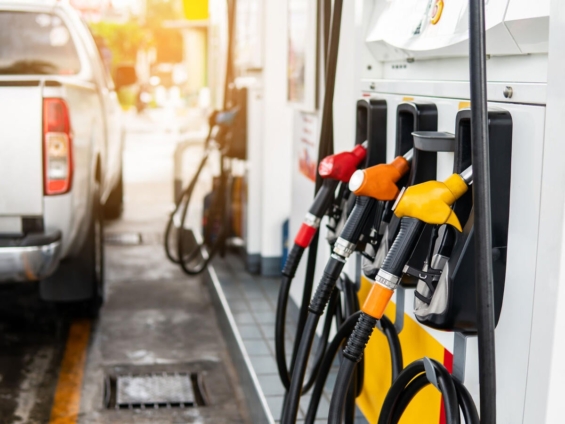
The National Petroleum Authority (NPA) has increased the minimum price floors for petroleum products for the April 1–15, 2026 pricing window, signalling a likely rise in pump prices across the country.

Under the revised structure, the price floor for petrol has been adjusted from GH¢11.57 to GH¢13.30 per litre. Diesel recorded the sharpest increase, rising from GH¢14.35 to GH¢17.10 per litre—an increment of GH¢2.75 over the past two weeks.
Liquefied Petroleum Gas (LPG) also saw a marginal increase, moving from GH¢10.67 to GH¢10.71 per kilogramme.
In a directive to Oil Marketing Companies (OMCs), the Authority urged strict compliance with the new benchmarks, in line with the Petroleum Products Pricing Guidelines (PPPG).
It clarified that the price floors exclude additional costs such as premiums charged by International Oil Trading Companies, as well as operational and marketing margins, which are determined independently by industry players.
The new directive means no OMC or LPG Marketing Company can sell below the approved price floors within the period under review. Companies currently pricing below these levels are expected to adjust upwards from April 1.
As a result, consumers are likely to pay significantly more at the pumps once additional levies and margins are applied.
The development has, however, drawn criticism from some industry stakeholders. The Chamber of Oil Marketing Companies (COMAC) has questioned the relevance of the price floor regime, arguing that market competition should be allowed to determine pricing.
Similarly, the Executive Secretary of the Chamber of Petroleum Consumers Ghana, Duncan Amoah, has called for the suspension of the price floor, insisting that it limits competitive pricing among OMCs.
But the Chief Executive of the NPA, Godwin Kudzo Tameklo, has defended the move, saying the policy is necessary to protect the market and ensure stability across the petroleum value chain. He indicated that there are no immediate plans to suspend the pricing mechanism.
The latest adjustment is expected to trigger a fresh wave of fuel price increases, adding pressure on consumers and businesses from April 1.


