


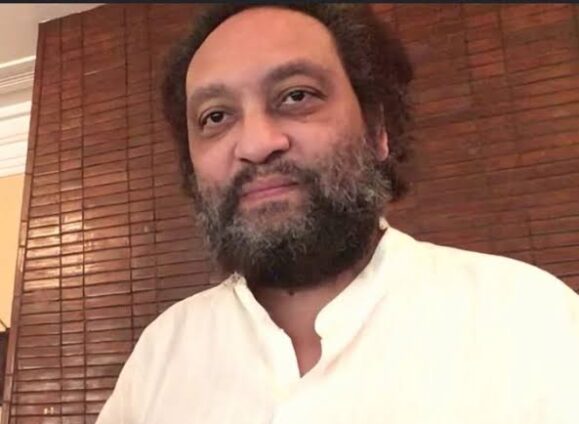
Gamal Gorkeh Nkrumah, a Ghanaian journalist and son of Ghana’s first President, Dr Kwame Nkrumah, has died, family sources have confirmed.

He died on Wednesday, October 14, 2026, at the age of 68. A family source said he will be buried in Egypt on Saturday, October 17, in accordance with Islamic traditions.
Further details surrounding his death were not immediately available.
Distinguished journalism career in Egypt
Gamal Nkrumah was a journalist and editor at Al-Ahram Weekly, the English-language publication of Egypt’s Al-Ahram press organisation.
He spent more than 15 years with the newspaper, covering international affairs and writing on African and global politics. His work paid particular attention to Pan-Africanism and Africa’s position in world affairs.
Through his journalism and commentary, he examined political developments across Africa and the Middle East, bringing perspectives on the continent’s history, international relations and place in global affairs to an international readership.
Early life and education
Born in Accra in 1958, Gamal Nkrumah was the son of Kwame Nkrumah and his Egyptian wife, Fathia Nkrumah.
He pursued his higher education at the School of Oriental and African Studies in London, where he earned a doctorate in political science, according to biographical accounts.
His life and career connected Ghana’s political history with Egypt’s media landscape, reflecting the longstanding links between the two countries.
Family and legacy
Gamal Nkrumah came from a family with a prominent place in Ghana’s political history.
His sister, Samia Nkrumah, is a Ghanaian politician who previously served as Member of Parliament for Jomoro and chairperson of the Convention People’s Party (CPP), the political party founded by their father.
His younger brother, Sekou Nkrumah, is a writer and political activist based in Ghana.
Gamal Nkrumah’s contribution to journalism centred on international affairs, African politics and Pan-African thought. His work at Al-Ahram Weekly provided a platform for examining Africa’s relationships with the wider world, particularly the political and historical connections between Africa and the Middle East.


