


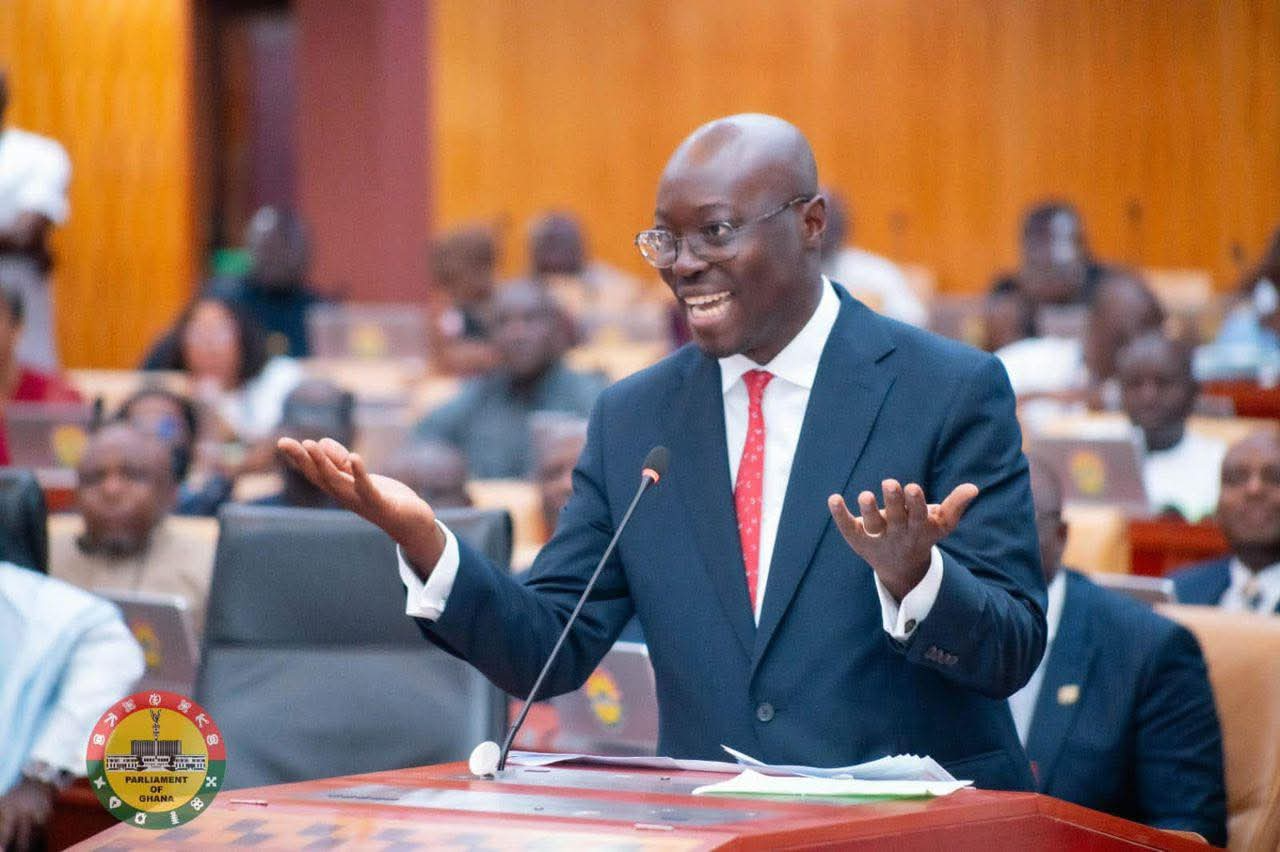
Ghana’s economy has gone “from the Intensive Care Unit (ICU) to the Wellness Centre,” Finance Minister, Dr Cassiel Ato Forson, announced, describing what he calls a firm move from emergency fixes to steady macroeconomic recovery.

Briefing Parliament on Thursday, May 28, on progress restoring stability and debt sustainability ahead of target, the Minister said the country was now shifting from depending on external bailouts to a trusted reform partnership built on discipline and investor trust.
“For Ghana, this marks an important shift from seeking financial bailout to engaging as a credible reform partner while continuing to benefit from policy discipline, external validation and strengthened investor confidence,” he said.
Dr Ato Forson explained that the Policy Coordination Instrument (PCI) with the International Monetary Fund (IMF) would be key to keeping reforms on track, offering regular policy reviews and technical help that boost investor assurance.
“The PCI will enable us to continue leveraging the IMF’s regular policy assessment and expertise as a signal to investors, thereby certifying the credibility of our stewardship and further strengthening our credit rating,” he stated.
He added that Ghana’s stronger standing shows tighter fiscal control and aligned policy steps, which have helped steady major economic indicators. The comments come as government pushes to lock in gains in inflation control, exchange rate stability, debt restructuring and revenue growth, while working to rebuild long-term investor faith and economic strength.
According to the International Monetary Fund (IMF), its work with Ghana was now moving beyond the Extended Credit Facility (ECF) programme toward a reform-driven Policy Coordination Instrument (PCI).
It said current talks have merged the 2026 Article IV review, the last ECF assessment, and discussions on a 36-month non-financing PCI, with focus on keeping a sound fiscal path, boosting economic resilience, and pushing structural changes.
The Fund noted that progress in Ghana’s debt outlook has opened some fiscal room to back development goals while protecting recent stability gains. Yet it warned that this room hinges on rolling out strong public financial management and structural reforms to cut risks from contingent liabilities.
With global uncertainties and high fiscal risks, especially from state-owned firms and quasi-fiscal actions, the IMF said the PCI reform plan will target better safeguards, transparency, and accountability. It added that these steps are meant to shore up policy credibility, rebuild fiscal cushions, and create space for key investment and development spending.


