


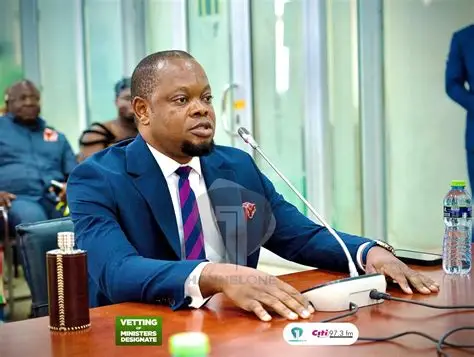
The Deputy Attorney-General, Justice Srem-Sai, has urged Ghana to learn from other jurisdictions to settle the ongoing row between the Office of the Special Prosecutor (OSP) and the Attorney-General’s Department over prosecution powers.

His remarks follow an April 15, 2026, High Court ruling that ordered the Attorney-General’s Department to assume all criminal cases now handled by the OSP, pending formal approval from the Attorney-General.
The decision came from a judicial review application questioning the anti-graft agency’s prosecution powers. The OSP has firmly opposed the verdict, claiming the court exceeded its authority. It says it is seeking legal options to overturn the ruling, insisting its founding Act gives it power to prosecute corruption-related offences.
Speaking in an interview with Channel One TV’s The Point of View on Monday, April 20, Srem-Sai said similar legal clashes exist in other common law nations and Ghana should not see the matter as unique.
“It is not just in Ghana that we have this issue. It’s in almost all the Anglo countries, common law jurisdictions; they all have this issue. I think that solving this issue will require us to look elsewhere to see how it is done. But we’re behaving as if we’re the first people facing this kind of challenge,” he said.
The suit was filed by Peter Archibold Hyde, one of four persons being probed by the OSP. The others are Alhaji Seidu, James Keck Osei, and Customs officer John Abban. They are accused of plotting to illegally seize containers using fake documents, including a forged letter supposedly issued by the then Office of the Vice President.
In its decision, the High Court ruled that while the OSP has the constitutional duty to probe suspected corruption-related offences, it lacks power to launch prosecutions without prior approval from the Attorney-General.


