


Economist Professor Peter Quartey has warned that Ghana remains vulnerable to external economic shocks due to its dependence on imported fuel and concentration of export earnings in gold.

He said the country has limited buffers to absorb the impact of major disruptions in the global economy, particularly in the energy and commodity markets.
Speaking on Joy News’ PM Express Business Edition on Thursday, Prof Quartey said Ghana’s vulnerability was particularly evident in the energy sector.
“Yes, you will notice that, I mean, for these countries that are even fighting, Iran, the U.S., and the rest, they have a buffer,” he said.
“They have oil reserves that they can fall on.”
According to Prof Quartey, Ghana does not have the same level of protection against disruptions in global energy markets.
“I mean, we basically have very little buffer to fall on, and therefore, when they sneeze, we catch a cold,” he said.
Concern over fuel imports
Prof Quartey identified Ghana’s continued reliance on imported refined petroleum products as a major source of vulnerability.
“And I think we are not processing enough of the oil,” he said. “We are an oil producer, but we are not processing quite a good chunk of the oil.”
He said Ghana’s continued importation of processed fuel exposes the economy to changes in international prices and supply conditions.
“We still continue to import processed fuel, and that is a big problem for us,” he said.
The economist also expressed concern about the country’s continued reliance on conventional fuels, arguing that Ghana was not transitioning to alternative energy sources at the same pace as some other countries.
“Secondly, we’re relying too much on fuel, petrol and, you know, crude, for instance, whereas in other countries, other forms of fuel, green energy, green transition is happening rapidly,” he said.
“That is not happening so much with us, and I think that makes us very vulnerable to external shocks,” he added.
Gold concentration poses risks
Prof Quartey also raised concerns about the structure of Ghana’s export earnings, noting the country’s heavy dependence on gold.
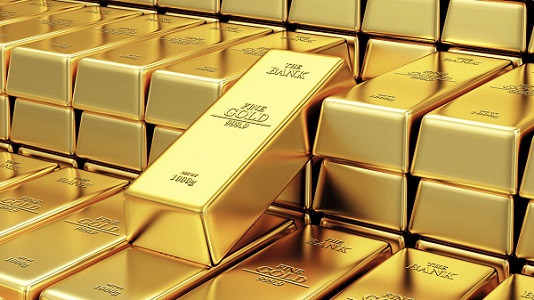
He said gold currently accounts for approximately 60% to 61% of Ghana’s total export earnings, leaving the economy exposed to developments in the international gold market.
“And if you even look at our exports, for instance, at the moment, gold accounts for almost 60% or 61% of our export earnings,” he said.
Prof Quartey warned that a significant deterioration in global gold market conditions could have implications for Ghana’s external position.
“That puts you in a very vulnerable situation,” he said. “Should gold prices tumble, or should anything happen to the international market, we are likely to suffer the consequences.”
His comments highlight the importance of diversifying Ghana’s energy sources and export base to reduce the economy’s exposure to external shocks.


