


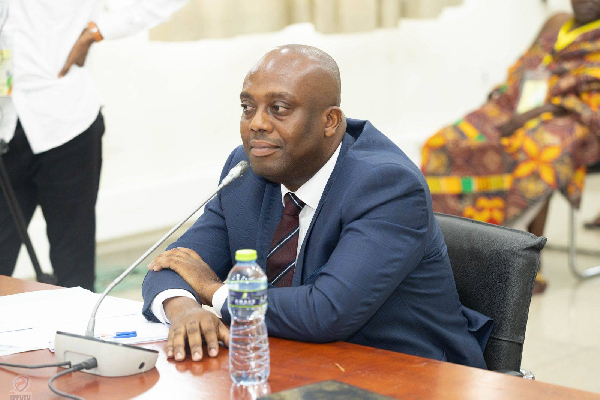
Deputy Minister of Finance, Thomas Nyarko Ampem, has announced that government will soon begin issuing long-dated domestic bonds following the expiration of restrictions introduced under the Domestic Debt Exchange Programme.

Speaking in an interview with JoyBusiness at Parliament on Friday, 27 February 2026, Mr Nyarko Ampem said the move will enable the state to mobilise long-term financing to support national development initiatives and the budget.
The three-year restriction, imposed in 2023 under the Domestic Debt Exchange Programme, barred the issuance of new domestic bonds after Ghana’s debt default. The measure formed part of efforts to stabilise the domestic debt market and restore macroeconomic credibility.
“With the expiration, government can now explore ways of issuing new domestic bonds,” Mr Nyarko Ampem stated.
Opportunities for Pension Funds and Investors
According to the Deputy Minister, the development presents fresh investment opportunities for pension fund managers and other long-term investors.
“Government now has the option to look at issuing new bonds to support the country’s finances,” he noted.
He added that the ability to issue longer-dated instruments will reduce reliance on Treasury bills and help improve the maturity profile of Ghana’s public debt, easing refinancing pressures. Analysts believe the bond issuance could begin as early as March 2026, with the potential for offshore participation to boost liquidity.
The timing is considered significant, particularly as Government of Ghana Treasury bill rates have recently declined to single-digit levels.
Economic Improvements and Fiscal Discipline
Mr Nyarko Ampem also dismissed suggestions that recent macroeconomic gains are not translating into tangible benefits for citizens.
“If you look at the current indicators, the economy has improved significantly compared to what the government inherited in December 2024,” he said, pointing to reductions in the prices of sugar and building materials as examples of relief for households and businesses.
He expressed optimism that sustained low interest rates would further reduce the cost of doing business and strengthen economic recovery.
Reaffirming government’s commitment to prudent financial management, the Deputy Minister rejected claims of overspending at the Finance Ministry.
“We are spending in the right places and on work executed,” he stressed.
He further indicated that Ghana’s economic management and renewed stability have received recognition from development partners and investors, signalling restored confidence in the country’s fiscal outlook.


