


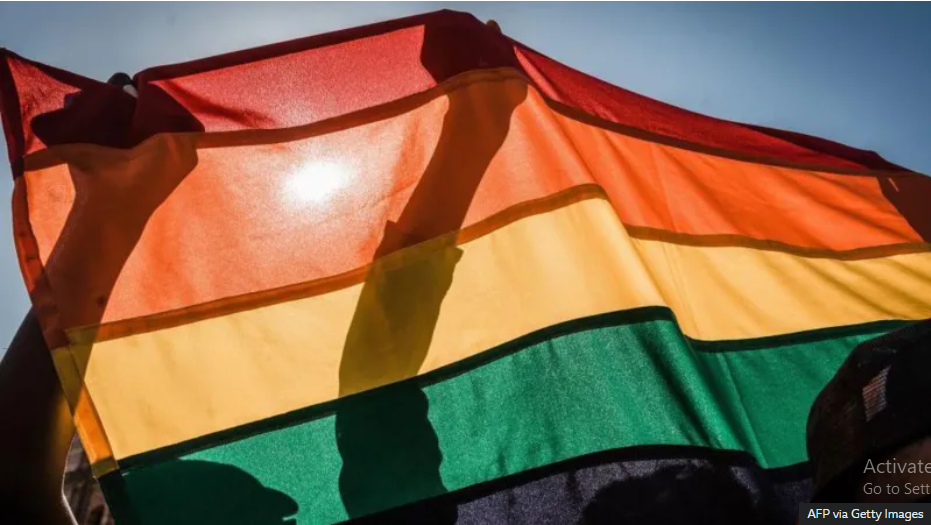
The Ghana Pentecostal and Charismatic Council (GPCC) has expressed concerns over the recently passed Human Sexual Rights and Family Values Bill, arguing that the legislation in its current form does not go far enough to protect what it describes as Ghana’s longstanding family values and cultural traditions.

In a statement addressed to Parliament and other key stakeholders, the Council said the Bill, as presently constituted, falls short of expectations and may not provide adequate safeguards for the country’s cultural heritage and moral foundations.
The statement, signed by the Council’s President, Dr. Eric Nyamekye, and copied to the Ghana News Agency on Thursday, said the position reflects the Council’s commitment to preserving Christian values, the moral integrity of Ghanaian society, and the nation’s cultural identity.
According to the GPCC, the earlier version of the Human Sexual Rights and Family Values Bill passed by the previous Parliament was more comprehensive and better addressed the concerns that prompted the legislation.
The Council therefore called for the reinstatement of that version and urged lawmakers to expedite its passage.
“Its prior endorsement for presidential assent is a testament to its legislative merit, and GPCC strongly recommends that it be reinstated and passed without further delay,” the statement said.
The GPCC also reaffirmed its support for the efforts of the government, Parliament, and the Ghanaian public concerning the legislation, stressing that it remains committed to promoting the values it believes underpin the country’s social and cultural framework.
The Council further stated that its position would remain unchanged regardless of domestic or international scrutiny surrounding the legislative process.
According to the statement, safeguarding Ghana’s sovereignty, cultural values, and the moral well-being of communities remains a priority, and the Council stands ready to support initiatives aimed at preserving those principles.
The Human Sexual Rights and Family Values Bill continues to generate debate among various stakeholders, with supporters arguing that it reflects Ghanaian cultural and religious values, while critics have raised concerns about its implications for human rights and constitutional freedoms.


