


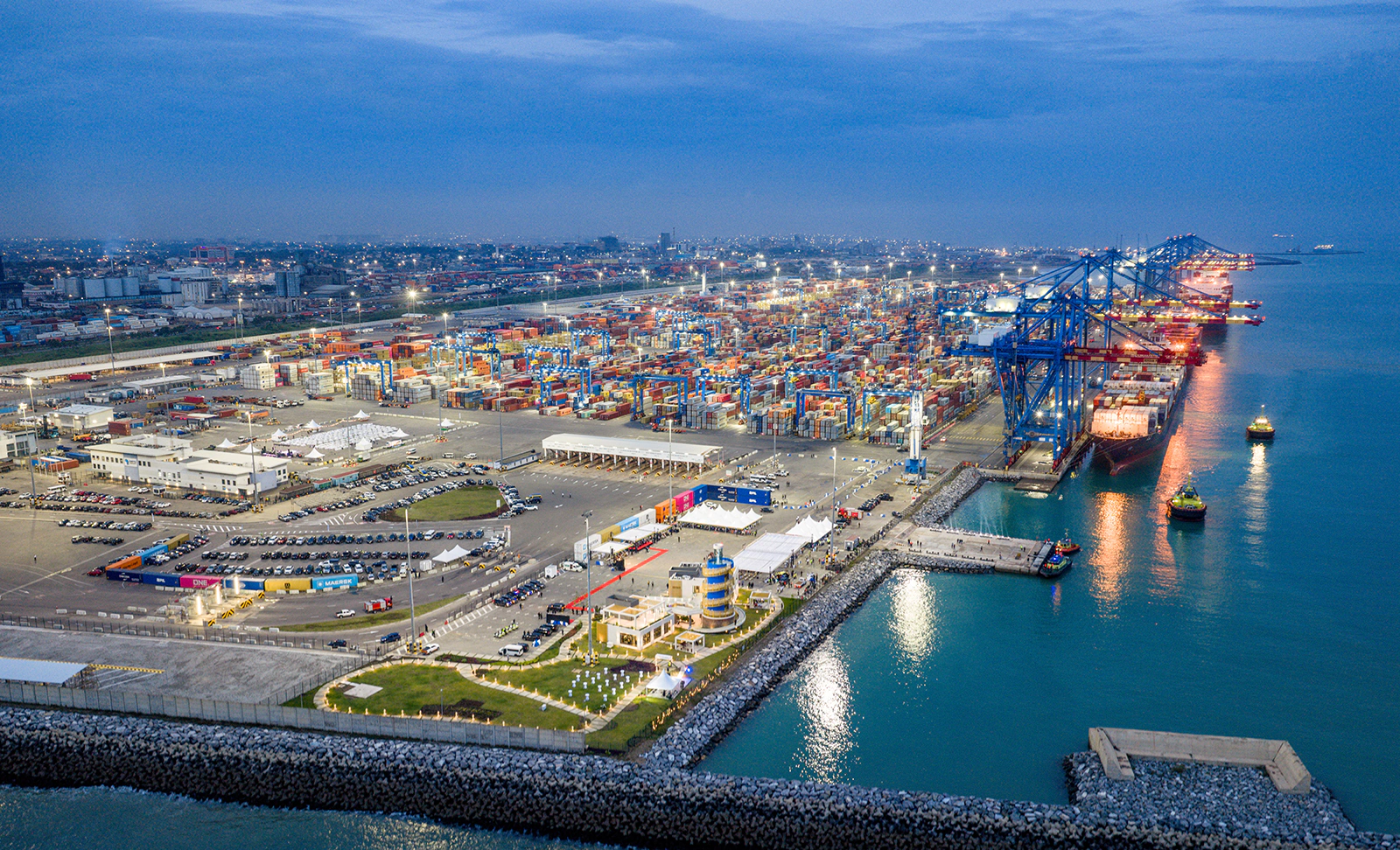
The Welfare Officer of the Ghana Union of Traders Association, Benjamin Yeboah, has warned that the introduction of the Publican AI system at Ghana’s ports is significantly increasing cargo valuations, with some traders reportedly paying up to three times their previous duty amounts.

Speaking on Joy FM on 22 April, Yeboah stated that traders who previously paid approximately GH¢100,000 per container are now facing charges of up to GH¢300,000. He indicated that these developments confirm concerns earlier raised by the association prior to the system’s rollout, adding that many members are struggling to absorb the unexpected financial burden.
The Publican AI system, introduced by the Ministry of Finance Ghana during the 2026 Budget presentation, is designed to apply artificial intelligence to import valuation processes, with the aim of detecting under-declaration, preventing misclassification of goods, and improving revenue mobilisation at the ports.
According to Yeboah, while authorities had assured stakeholders that the system would enhance efficiency, trader groups had called for broader consultations before implementation. He noted that in February, representatives of GUTA met with officials at Oak Plaza, where they were informed that pilot testing had already commenced. During that engagement, authorities reportedly presented findings involving approximately 14 companies alleged to have under-declared goods.
Despite these assurances, GUTA expressed concern over limited stakeholder involvement in the rollout. Yeboah stated that initial briefings suggested that only 24 to 25 per cent of transactions would experience valuation discrepancies. However, subsequent reports from traders indicate that a significantly larger proportion of consignments are being affected, often resulting in sharply increased duty assessments.
He cautioned that the situation could lead to operational disruptions at the ports, with traders facing mounting demurrage and storage costs as consignments remain uncleared.
The concerns form part of a broader backlash against the system. In April 2026, major trade bodies, including the Traders Advocacy Group Ghana and the Food and Beverages Association of Ghana, joined GUTA in a coordinated industrial action that temporarily disrupted port operations through the suspension of duty payments.
These groups argue that the system produces unpredictable and excessive valuations, lacks transparency, and does not provide a clear mechanism for appeal. Some traders have also raised concerns that customs officials are unable to adjust AI-generated valuations, even when supporting documentation is presented.
Although the industrial action was suspended on 17 April following an emergency meeting with the Ghana Revenue Authority and the Ministry of Finance, tensions remain unresolved. The suspension was contingent on further stakeholder engagement, but scepticism persists, particularly from the Food and Beverages Association of Ghana, which continues to call for the system’s suspension pending the development of a more transparent framework.
GUTA maintains that the immediate priority is to address the financial strain on traders and prevent further disruption to business activities. Yeboah warned that if the current situation persists, it could have serious implications for trade and economic stability.


