


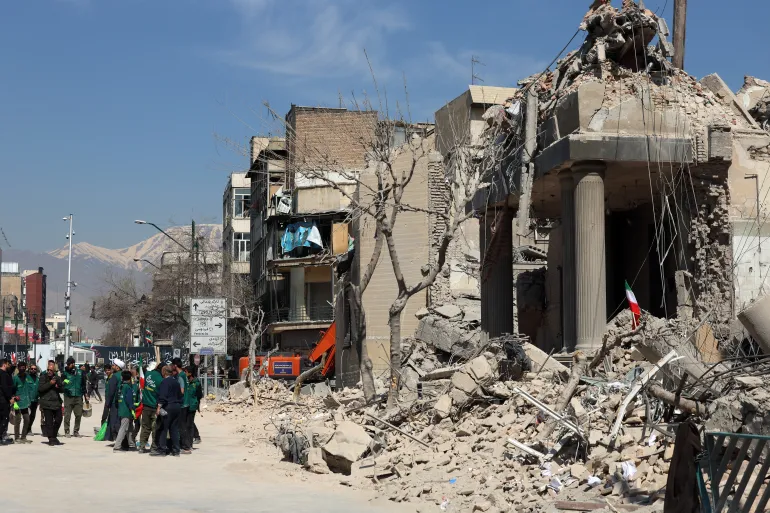
Escalating conflicts in the Middle East are disrupting global trade, driving up energy costs, and sparking market instability, the International Monetary Fund (IMF) warns. The Fund is tracking regional developments closely, as the situation adds to global economic uncertainty.

Early market indicators show disrupted economic activity and trade routes, alongside rising oil and gas prices, potentially pressuring inflation and growth in several economies. However, the IMF notes it’s too soon to assess the full regional and global economic fallout.
“The situation is highly dynamic,” the IMF said, adding that the impact depends on the conflict’s scope, duration, and effects on supply chains, energy markets, and investor confidence. Recent events have unsettled investors, triggering market volatility amid fears of prolonged instability disrupting energy supplies and trade.
The Middle East is a key energy hub, and sustained tensions could influence oil prices and inflation, especially for energy-importing nations. Governments and institutions are assessing risks as geopolitical uncertainty shapes market sentiment. The IMF will provide a detailed analysis in its April World Economic Outlook, with updated growth and inflation projections.


