


An economist and Research Fellow at the Institute of Statistical, Social and Economic Research (ISSER), Dr. Kwame Adjei-Mantey, has called for a comprehensive overhaul of Ghana’s waste management governance framework, arguing that lasting solutions to Accra’s perennial flooding will require far-reaching reforms in the sector.

According to him, Ghana’s current waste management system is plagued by structural and governance deficiencies that continue to undermine efforts to reduce flooding, particularly during periods of heavy rainfall.
Dr. Adjei-Mantey said that while continued investment in drainage infrastructure is necessary, policymakers must place equal emphasis on strengthening waste management governance, which he described as a major factor contributing to the capital’s recurring floods.
He noted that the existing institutional framework requires significant reforms to eliminate inefficiencies and improve coordination among agencies responsible for sanitation and waste management.
“Currently, there is a governance structure around waste management that needs an overhaul or improvement. There are overlapping responsibilities and, if you look at the structure of waste management, we do not have a regulator in the space. That is a gap that restructuring could address,” he told Citi FM.
He added that waste collection services across the country remain inconsistent and uneven.
“We have seen that waste collection across the nation is largely inconsistent, and it is not equitable,” he said.
Dr. Adjei-Mantey argued that the absence of a dedicated regulator has created accountability gaps within the waste management sector, making it difficult to effectively coordinate sanitation and waste disposal efforts nationwide.
He further observed that waste collection services vary significantly from one community to another, with some areas benefiting from regular collection while others receive little or no service.
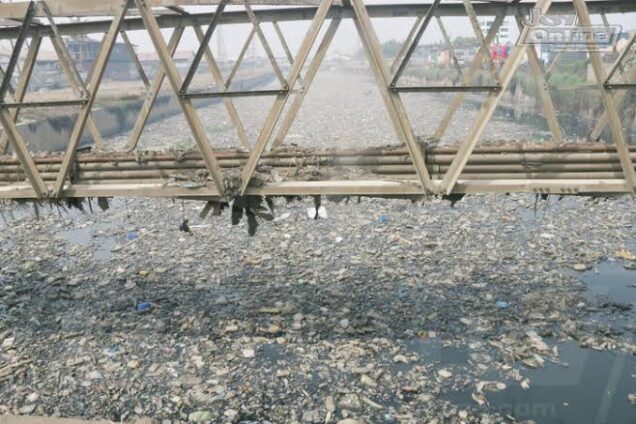
According to him, these disparities encourage indiscriminate disposal of refuse into drains and waterways, increasing the risk of flooding whenever heavy rains occur.
The ISSER economist maintained that addressing Accra’s persistent flooding will require more than expanded drainage infrastructure. He said sustainable solutions must also include comprehensive reforms to strengthen waste management governance, improve regulatory oversight and ensure equitable waste collection services across all communities.


