


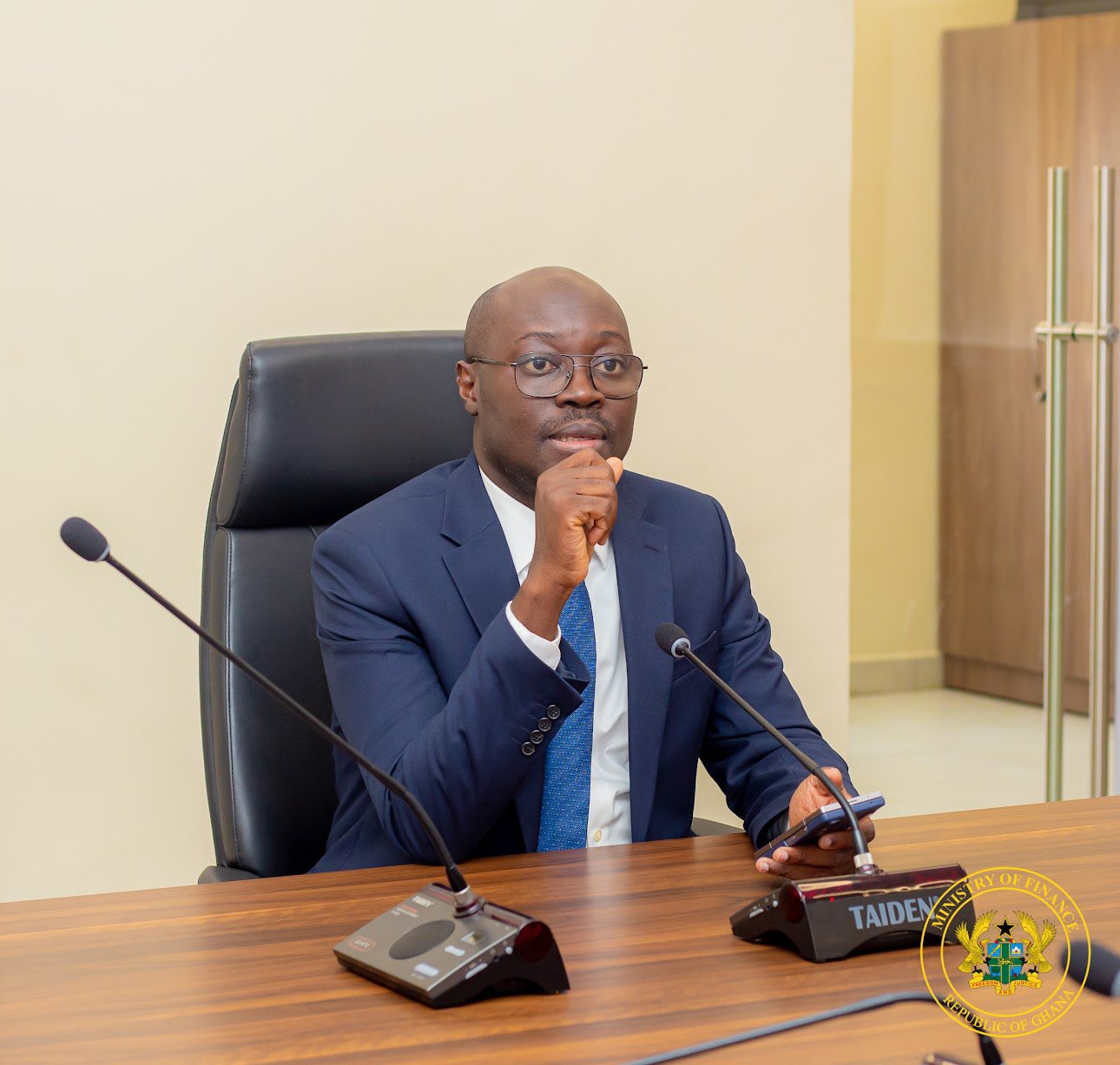
Finance Minister, Dr. Cassiel Ato Forson, has warned against fiscal recklessness, saying Ghana could fall back into economic trouble if it fails to maintain the reforms introduced under the just-ended IMF Extended Credit Facility programme.

He said the government was working to ensure that current economic policies remain viable to avoid a repeat of the past, when the country had to seek emergency financial support.
“What we seek to do is to make sure that whatever we do today is sustainable, so that we don’t go back to the good old bad days, where we get to an emergency situation that we have to go to the IMF,” he stated.
Dr. Forson explained that authorities are putting protections in place to prevent Ghana from constantly relying on external bailouts, adding that while a return to the IMF is not anticipated, strict discipline must be upheld.
“We are putting in place measures so that we don’t have to go for a bailout. We believe that we do not have a need to go for a bailout every day, but it doesn’t mean we should let our guard. It means that we don’t have to be complacent in order to work harder,” he explained.
He noted that keeping macroeconomic stability is essential for drawing private capital and driving long-term expansion.
“We need to sustain the gains of economic stability to be able to attract private investment into our country and be able to build on it for sustainable growth,” he said.
The Finance Minister also made clear that the end of the IMF deal should not be seen as a reason to ease up on fiscal control.“So, bailout is out of the equation,” he said, while cautioning that poor financial discipline remains a key threat to reversing progress.
Reflecting on Ghana’s economic history, Dr. Forson said a lack of discipline has often pushed the country back into IMF programmes.
“When I was a deputy minister here we often said that as for indiscipline, there’s always a price for indiscipline,” he stated.He pointed out that irresponsible fiscal practices, including the rapid drawdown of foreign reserves, have repeatedly derailed periods of recovery.
“Clearly, indiscipline is what has landed Ghana on a number of bailout programmess, because largely, we depleted our reserves so fast and then we enjoyed the benefits of consolidation so quickly, and in the end, we’re going back to where we don’t have to be,” he said.
Dr. Forson emphasised that the government’s priority now is to lock in the progress achieved under the IMF-backed programme and create a firmer base for lasting growth.“What we seek to do going forward is to build on the momentum that this ECF has created for all of us and sustain it for a very long time so that the country can benefit from it,” he added.


