


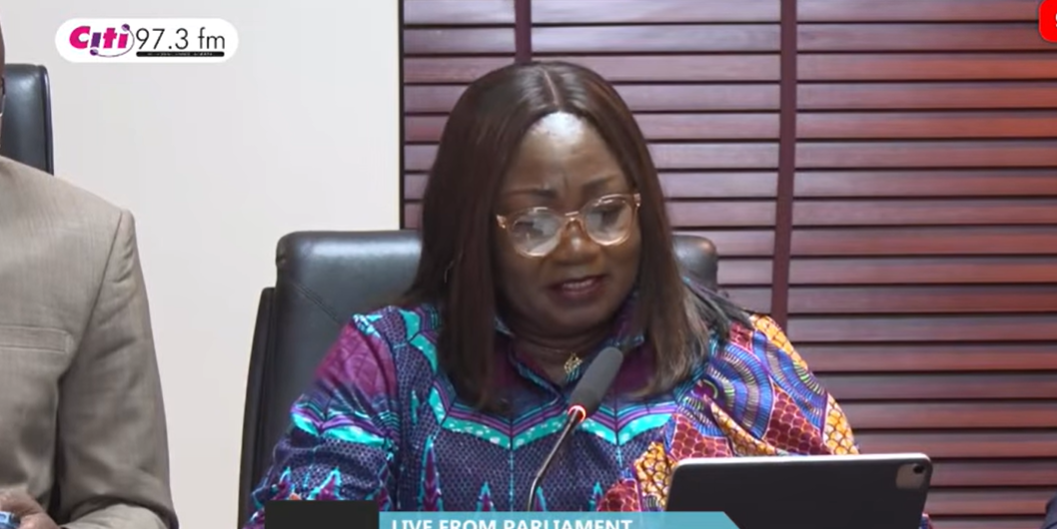
The Minority in Parliament has called for the consistent enforcement of Ghana’s anti-illegal mining laws, urging the Court of Appeal to closely examine key aspects of the trial that led to the conviction of former New Patriotic Party (NPP) Ashanti Regional Chairman Bernard Antwi-Boasiako, popularly known as Chairman Wontumi.

Addressing a press conference, the Member of Parliament for Dormaa East, Patricia Appiagyei, criticised what the Minority described as the selective application of justice in the country’s fight against illegal mining, popularly known as galamsey.
According to her, perceived inconsistencies in the enforcement of the law risk undermining public confidence in the country’s justice system and other state institutions.
“Public trust in institutions that must outlive any single administration is corroded. We therefore call on the Attorney General to publish the state’s enforcement record on illegal mining across the political spectrum,” she said.
Mrs Appiagyei also appealed to the Court of Appeal to carefully review several legal issues arising from the High Court proceedings, including the refusal to refer constitutional questions to the Supreme Court and the decision to pierce the corporate veil of Akonta Mining Company Limited.
“We call on the Court of Appeal to scrutinise the denial of counsel, the refusal to refer, and the veil piercing with equal and unflinching rigor,” she stated.
The Minority further urged the judiciary to reaffirm the legal threshold for constitutional referrals, citing the Supreme Court’s decision in the case involving former North Tongu Member of Parliament Samuel Okudzeto Ablakwa and private legal practitioner Justice Srem-Sai, commonly known as the Zanator case.
“We call on the judiciary to reaffirm the threshold for constitutional referral with express regard to the Supreme Court’s own decision in the Zanator case,” Mrs Appiagyei added.
The Minority’s remarks follow the conviction of Chairman Wontumi and Akonta Mining Company Limited by the Accra High Court for offences relating to breaches of the Minerals and Mining Act, 2006 (Act 703).
The court sentenced Mr Antwi-Boasiako to 20 years’ imprisonment with hard labour and imposed a fine after finding him guilty of unlawfully assigning mineral rights without the required approval and facilitating illegal mining activities on the company’s concession.
While reaffirming its support for efforts to combat illegal mining, the Minority maintained that prosecutions must be conducted impartially and without regard to political affiliation.
The Attorney General’s Office has consistently maintained that prosecutions in illegal mining cases are based solely on the evidence available to the state and not on the political identities of the individuals involved.


