


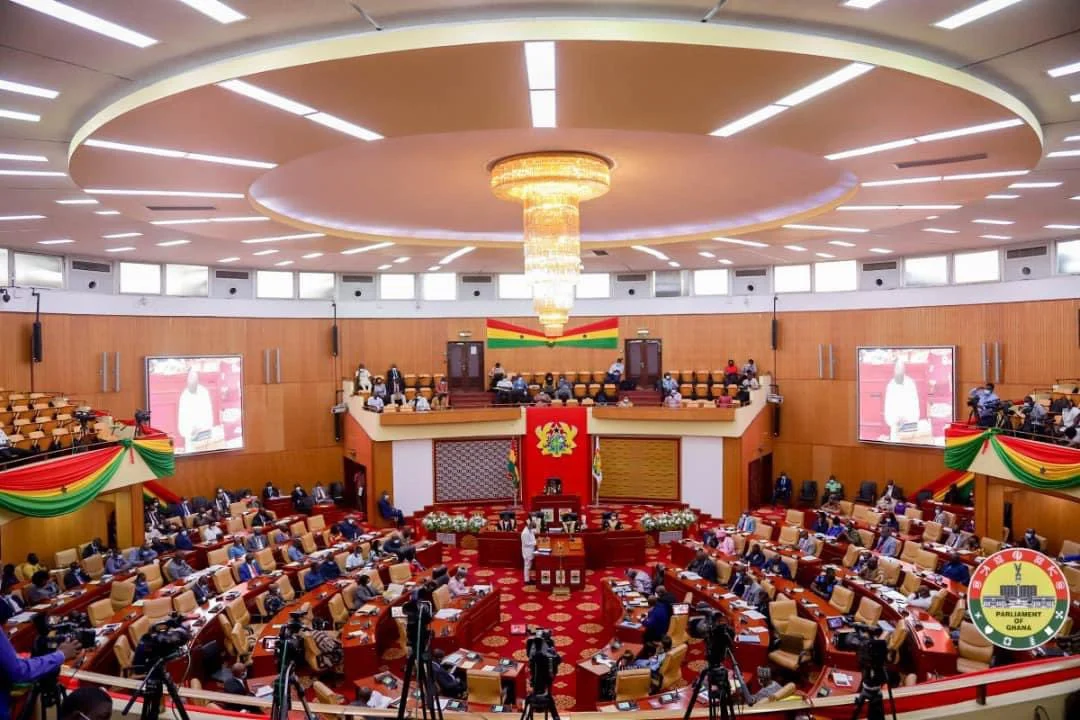
The Minority in Parliament has criticised a recent High Court ruling directing the Attorney-General to assume control of all criminal cases being prosecuted by the Office of the Special Prosecutor (OSP), describing the decision as legally unsound.

According to the caucus, Article 88(4) of the 1992 Constitution provides adequate authority for the OSP to prosecute corruption-related offences without requiring repeated approval from the Attorney-General. They argue that any interpretation demanding such clearance undermines the independence of the office.
The concerns follow a ruling delivered in Accra on Wednesday, 15 April, which ordered the Attorney-General to take over all ongoing prosecutions initiated by the OSP. The court further declared those cases null and void pending proper authorisation, effectively halting several high-profile corruption trials.
The Minority has also raised concerns about the broader implications of the decision, warning that it could weaken Ghana’s anti-corruption framework by placing excessive control over the OSP’s prosecutorial functions in the hands of the executive.
Speaking on Citi FM on Thursday, 16 April, Legal Counsel to the Minority and Member of Parliament for Suame, John Darko, described the ruling as a “complete mistake.”
“If anybody interprets Section 4 of the OSP Act to mean that any time we want to bring a prosecution we need to go to the Attorney-General’s office for clearance, then that interpretation is flawed. There would have been no need to establish the office if it is to be controlled by the executive,” he stated.
He further challenged the court’s decision to nullify the cases, arguing that such authority rests exclusively with the Supreme Court.
“The judge was wrong to declare all the cases null and void. The only court with the power to make such a determination is the Supreme Court,” he asserted.
The Minority has urged the Attorney-General to demonstrate commitment to the fight against corruption by allowing the OSP to continue handling its cases, cautioning that the development raises serious questions about the government’s resolve to address corruption effectively.


