


Ghana’s ongoing battle to reclaim its waterways from the grip of illegal mining has reached a critical new front along the Bia River, where security forces have launched a sweeping operation targeting heavily entrenched mining networks. The exercise, carried out by the National Anti-Illegal Mining Operations Secretariat (NAIMOS), zeroed in on the communities of Krokosue in Juaboso District and Patakro in Bodi District—hotspots where illicit excavation has long gone unchecked.

The raid, which unfolded on August 7, 2026, employed a coordinated strategy of both riverine and ground-based patrols to pinpoint active mining zones along the Bia and its connecting tributaries. This latest intervention is part of a wider national blueprint aimed at severing illegal miners’ access to Ghana’s vital water bodies and halting the relentless deterioration of freshwater ecosystems.
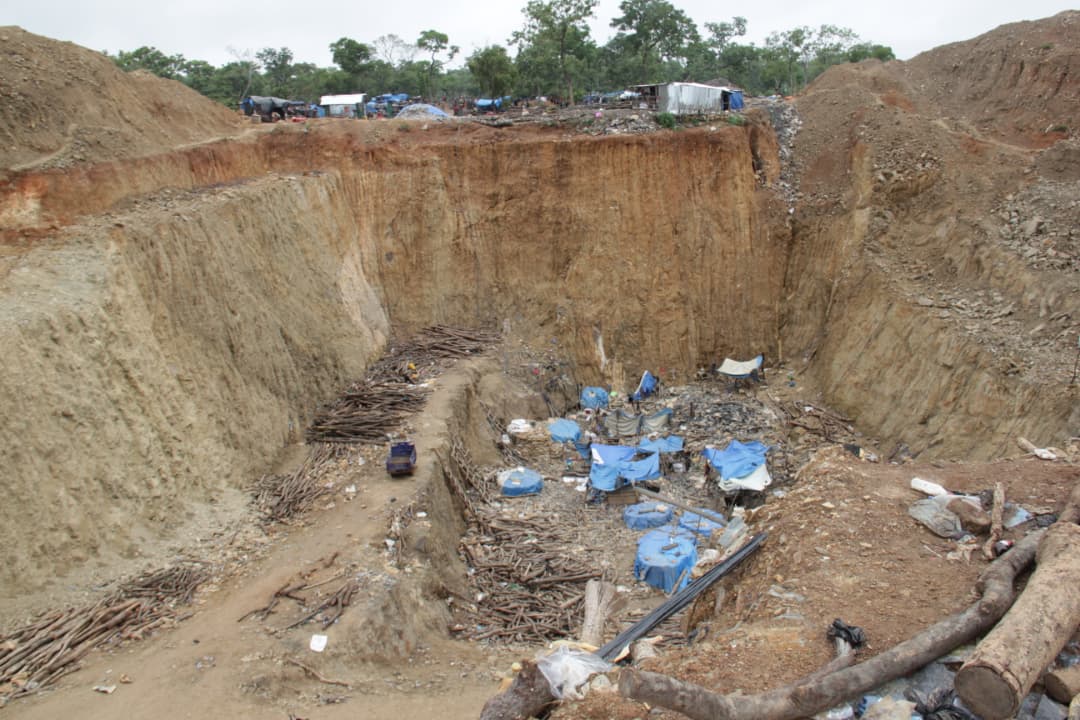
On-the-ground assessments by the Taskforce revealed the sheer magnitude of the challenge: over 20 active excavation pits were documented along the river’s edge. These sites were heavily equipped with chanfang machinery and high-capacity water pumps used for washing sediment—a clear sign that industrial-scale operations have moved directly into the watercourse itself.
The operation laid bare the persistent assault on the Bia River and underscored the immense difficulties in safeguarding waterways that meander through regions where small-scale mining has morphed into a deeply rooted illicit industry. NAIMOS operatives moved decisively to disable the operations, dismantling the infrastructure fuelling the environmental destruction.
In a significant blow to the miners, three excavators were put out of commission, with essential components removed to prevent rapid reactivation. The Taskforce also impounded four motorbikes, a water pump, and a pump-action firearm, while additional machinery and makeshift camp structures were destroyed on-site. In total, fourteen chanfang machines, two large water pumps, three motorbikes, and four temporary shelters were reduced to scrap—a calculated move to cripple the logistical backbone of the illegal activities and stymie any quick return to the sites.
“The fight to protect the Bia is ultimately a fight to preserve water, livelihoods and the ecological future of surrounding communities,” a NAIMOS field commander stated, reflecting the gravity of the mission.
The operation took on added urgency as teams documented the river’s alarming state. Large stretches of the Bia had taken on a brownish, milky hue, while miners had physically rerouted portions of the watercourse to create dry beds for their operations. Such diversion tactics are particularly perilous—they destabilise riverbanks, destroy aquatic breeding grounds, and accelerate erosion, compounding the damage already wrought by sediment-laden runoff.
For the farming and fishing communities tethered to the Bia, these environmental wounds translate into immediate hardship. The river’s health directly dictates water supply, crop irrigation, food security, and the broader ecological equilibrium of the entire district.
“A river diverted for mining is more than a damaged waterway—it is a warning about the long term cost of environmental neglect,” an environmental officer attached to the patrol noted.
NAIMOS has made it clear that this week’s operation is not a one-off show of force but the beginning of a sustained offensive. The Secretariat has pledged to maintain both riverine and land-based patrols in the affected corridors to prevent miners from drifting back to cleared zones. Additionally, plans are underway to coordinate with relevant state agencies for the safe extraction of sunken or abandoned equipment from the riverbed and to bolster long-term safeguards against recurring incursions.
The Bia River mission highlights the growing sophistication required in Ghana’s anti-galamsey campaign. Enforcement teams are now grappling not just with bulldozers and dredging machines, but with the mobility of mining gangs, the ease of acquiring replacement parts, and the logistical nightmare of policing hundreds of kilometres of winding river channels.
“The objective is not simply to clear the river of machines, but to create the conditions for the Bia to recover,” a senior NAIMOS official emphasised.
As the secretariat reaffirms its commitment to rehabilitating Ghana’s polluted waterways, the Bia River operation stands as both a tactical victory and a sobering reminder of the scale of the crisis. Whether this momentum translates into lasting change depends on sustained surveillance, robust inter-agency collaboration, and—most critically—the active backing of local communities who bear the heaviest cost of environmental ruin. For now, the Bia River has become a litmus test for Ghana’s resolve in reconciling resource extraction with the imperative of water security.


