


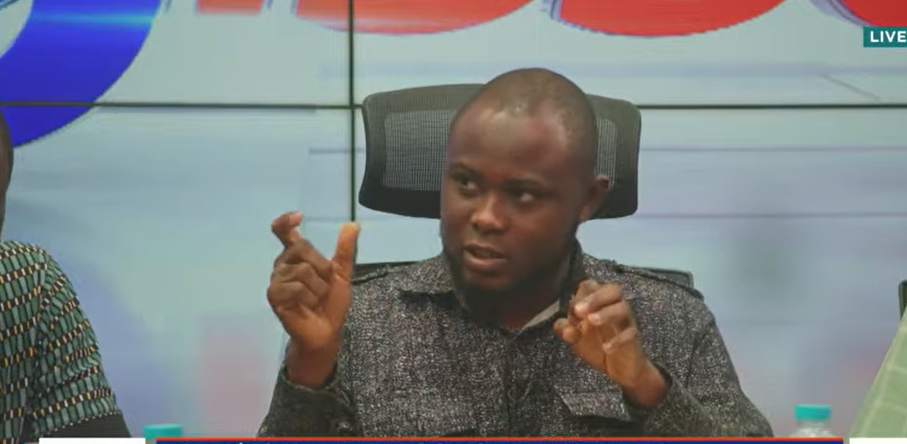
A policy analyst at the Integrated Social Development Centre (ISODEC), Dr Adamu Braimah Abille, has praised the thinking behind the Mahama administration’s US$10 billion New Economy programme, but warned that without a solid delivery plan and enough money to back local production, it will not work.

He said the initiative could reshape Ghana’s economy, but only if the planned spending actually leads to more output, lasting employment and better living standards.
Speaking on Channel One TV’s The Big Issue, which was monitored by the Ghanaian Radar, with Umaru Sanda Amadu on Saturday, November 14, Dr Abille described the policy direction as laudable, yet stressed that it needs concrete steps to meet its goals.
“The New Economy, the intention is very good, we have to say, but how is it going to be implemented?” he asked.
He urged closer alignment between fiscal and monetary policy so that loans from the banking system flow to the sectors earmarked as vital for the country’s economic turnaround.
“The government must make sure that the financial system that we are having… [has] coordination between the monetary policy and the fiscal policies to make sure that the credit is actually directed to where it’s supposed to go,” he said.
Dr Abille warned that without that alignment, the programme could falter, especially if bank lending remains focused on commerce and trade instead of productive areas.
He singled out agriculture, noting that the sector receives just 11 per cent of credit to the private sector – a pattern he said must shift if Ghana is to achieve real structural change.
“We have to make sure that a high percentage of [bank lending] goes into the critical sectors that we are talking about currently,” he said.
Dr Abille also referenced Germany, where community banks help steer credit to areas that drive economic development.
He said Ghana must put in place a workable system to decide how credit is distributed to businesses and enterprises in the priority sectors.
His remarks follow the presentation of the 2027 Budget Statement and Economic Policy to Parliament on Thursday, November 12, by Finance Minister, Dr Cassiel Ato Forson, in which he unveiled the government’s four-year, US$10 billion New Economy programme.
The programme is aimed at repositioning Ghana as a production-driven economy through investments in eight key areas: Macroeconomic Stability and Affordable Finance; Commercial Agriculture; Energy Infrastructure; Critical Minerals Value Addition; Tourism, Culture and Creative Arts; Textiles and Garments; Pharmaceuticals and Biomanufacturing; and the Technology Economy.


