


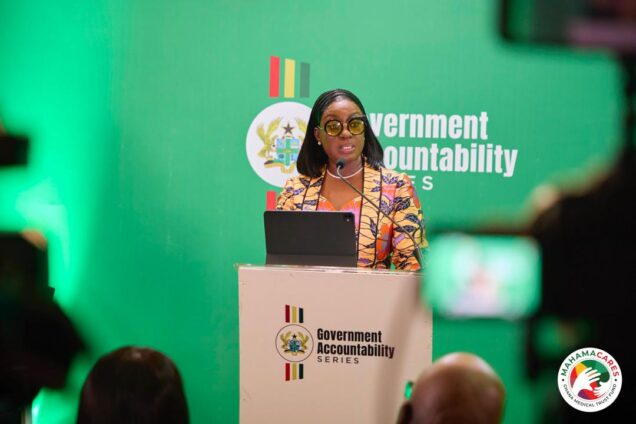
Adjoa Obuobia Darko-Opoku has expressed deep concern about the increasing number of children in Ghana being diagnosed with chronic and non-communicable diseases, describing the situation as a growing public health challenge.

Speaking on Joy FM’s Super Morning Show, the Administrator of the Ghana Medical Trust Fund said her experiences interacting with patients at treatment centres had revealed a troubling rise in childhood illnesses, particularly cancer and other long-term medical conditions.
According to Madam Darko-Opoku, diseases such as diabetes, hypertension and cardiovascular complications were once widely associated with older adults, but recent encounters within the healthcare system have shown that children are increasingly affected as well.
She recounted visits to oncology units at Korle Bu Teaching Hospital, where she witnessed large numbers of children undergoing treatment, describing the experience as deeply concerning.
The Administrator said the growing prevalence of non-communicable diseases among younger populations highlights the urgent need for expanded investment in specialised healthcare services across the country.
She explained that the Ghana Medical Trust Fund was created in part to respond to the rising burden of chronic illnesses and to help patients access treatment options that may fall outside coverage provided under the National Health Insurance Scheme.
Beyond direct medical support, she noted that the fund will also focus on strengthening healthcare infrastructure, supporting medical research and expanding specialist training to improve treatment outcomes for people living with chronic diseases.
Madam Darko-Opoku further referenced data from the World Health Organization indicating that approximately 43% of deaths in Ghana are linked to non-communicable diseases.
Health professionals in recent years have repeatedly warned about increasing rates of cancer, hypertension, diabetes and cardiovascular diseases among younger demographics, raising concerns about the long-term impact on Ghana’s healthcare system and national productivity.


