


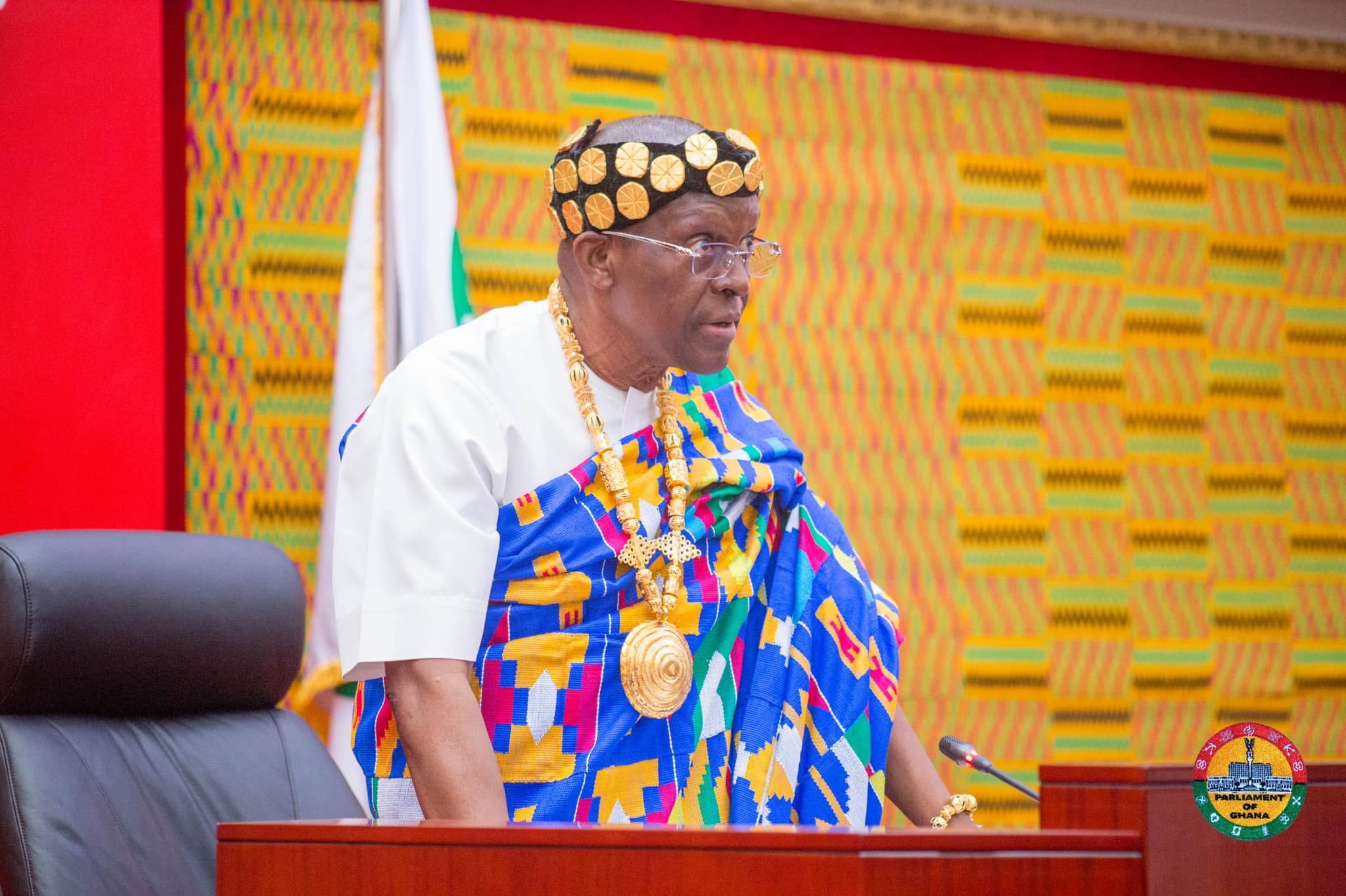
Parliament on Friday, May 29, 2026, approved the Human Sexual Rights and Family Values Bill, 2025, commonly called the anti-LGBTQ bill. The law aims to criminalise LGBTQ-related conduct but now includes changes that shield specific groups from penalties.

Under the revised version, lawyers offering legal counsel or court representation to LGBTQ persons will not face sanctions. Media professionals covering LGBTQ issues as part of their work are also exempt. The bill further protects health workers who provide medical, psychological, or counselling services to LGBTQ individuals.
The Minority opposed the new exemptions. They argued the changes show the draft sent to former President Nana Addo Dankwa Akufo-Addo earlier was defective. Still, the House passed the bill despite their objections.
Background
The legislation is among the most debated in recent Ghanaian politics. It was first tabled in 2021 as a private members’ bill spearheaded by Ningo-Prampram MP, Sam George, with backing from MPs on both sides. Religious bodies, traditional authorities and conservative groups supported it, saying it would safeguard cultural and family values.
Ghana’s Criminal Offences Act already outlaws “unnatural carnal knowledge,” long used to prosecute same-sex relations. Proponents said those laws failed to address advocacy, funding, or promotion of LGBTQ activities. The initial draft proposed tough penalties for same-sex relations, LGBTQ advocacy, forming or financing LGBTQ groups, public displays of same-sex affection and media or school content seen as supporting LGBTQ rights.
The proposal drew sharp national and global reaction. The Ghana Catholic Bishops’ Conference, Christian Council, Pentecostal groups and some Islamic bodies backed it. Rights groups, legal experts, civil society and international organisations criticised it, citing constitutional freedoms. Several foreign governments and NGOs warned it could harm Ghana’s global standing and ties with donors.
Analysts flagged possible impacts on aid, investment and international programmes. Parliament’s Constitutional, Legal and Parliamentary Affairs Committee held consultations and received submissions from religious groups, lawyers, academics, civil society and the public.
Debates focused on rights, free expression, family values, religion and Ghana’s treaty obligations. Parliament first passed the bill in February 2024. It was sent to former President Akufo-Addo, who did not sign it. Court challenges followed at the Supreme Court over the bill’s constitutionality and the process used to pass it. Petitioners said parts of the bill breached rights to speech, association and equality.
Others questioned whether Parliament met constitutional rules for private members’ bills with financial implications. The lawsuits stalled presidential assent. In 2025, Parliament revisited the bill, added exemptions for lawyers, journalists and health workers and passed it again on May 29, 2026.
Backers of the amendments said they protect constitutional duties and professional roles. Minority MPs said the revisions prove the earlier text was flawed.The next step is presidential assent. Further legal challenges may follow. The bill continues to split opinion among religious leaders, politicians, rights advocates, and the international community.


