


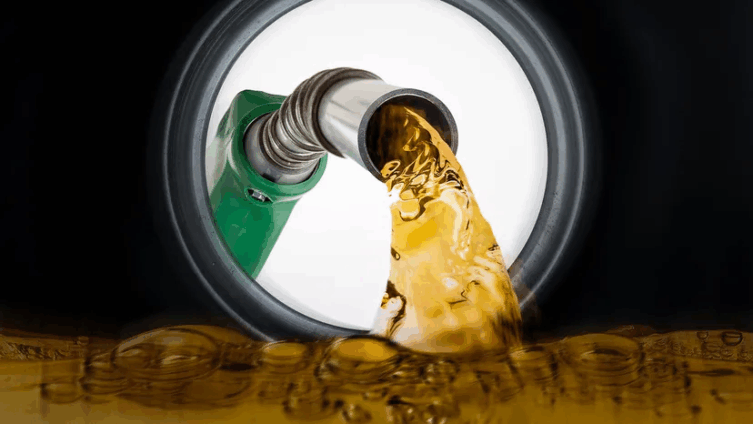
Consumers are expected to pay more for petroleum products from October 1, 2026, according to the Chamber of Oil Marketing Companies (COMAC).

Its outlook for October’s first pricing window projects increases in petrol, diesel and Liquefied Petroleum Gas (LPG) prices, driven by higher international petroleum prices and a weaker cedi.
Petrol could rise by up to 3.31 per cent to about GH¢17.91 per litre. Diesel prices are expected to increase by between 3.32 and 5.60 per cent, potentially reaching GH¢19.60 per litre.
LPG is projected to rise by approximately 2.25 per cent to GH¢17.06 per kilogram.
COMAC said average crude oil prices increased by 19.42 per cent to US$124.20 per barrel during the period used for the pricing outlook. International prices of refined products also rose, with petrol increasing by 2.43 per cent, diesel by 6.91 per cent and LPG by 8.55 per cent.
The Chamber attributed the pressure on international oil prices to strong demand for physical crude, despite easing supply disruptions in the Middle East and indications of progress towards reopening the Strait of Hormuz.
It said uncertainty over a possible US-Iran ceasefire continued to make traders cautious. The Russia-Ukraine war and uncertainty surrounding US measures to contain fuel prices were also contributing to pressure on diesel prices.
Locally, COMAC said the cedi depreciated by 1.27 per cent to an average of GH¢11.6321 to the US dollar, based on bank rates recorded between September 12 and 26.
The Chamber noted that the currency weakened by 6.12 per cent in the third quarter of 2026, gradually reversing its strong performance earlier in the year.
Meanwhile, the National Petroleum Authority (NPA) has raised the minimum price thresholds for petroleum products for October’s first pricing window.
The petrol price floor has increased from GH¢16.00 to GH¢16.45 per litre, while diesel’s floor has risen from GH¢16.77 to GH¢17.97 per litre. The LPG floor has moved from GH¢10.97 to GH¢11.10 per kilogram.
These thresholds exclude premiums charged by international oil traders and the operating margins of bulk distributors, oil marketing companies and LPG marketing companies.
The NPA said the respective companies would determine those charges independently in accordance with the prescribed Petroleum Products Pricing Formula.


