


Ghana’s swiftly growing population is stretching the country’s fiscal boundaries and complicating attempts to achieve substantial spending reductions, warns the Institute of Economic Affairs (IEA).

Ghana’s population has ballooned from 6.7 million in 1960 to over 35 million in 2025, intensifying demands for education, healthcare, and infrastructure.
The IEA cautions that these underlying pressures make it tough for the government to slash spending without jeopardizing vital social and economic services.
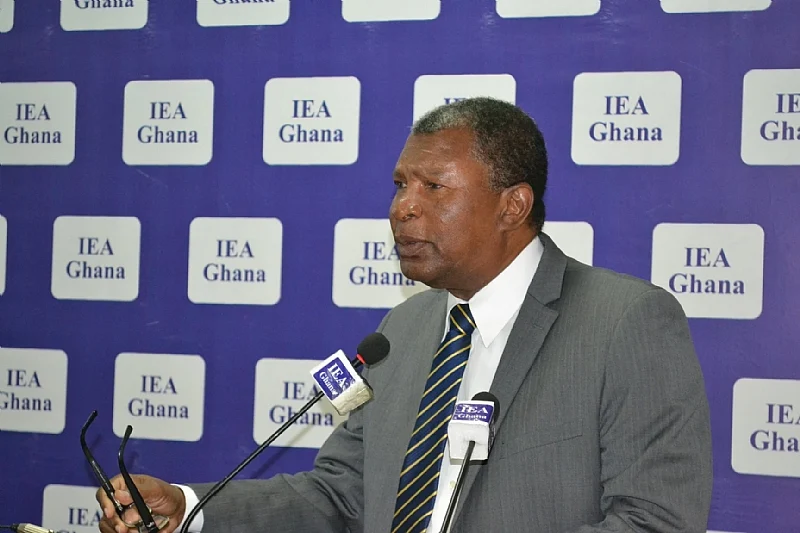
IEA Board Chairman, Dr. Charles Mensa, argues that the long-term fix involves ramping up domestic revenue rather than austerity measures. “Our expenditure will keep on growing and it should grow as a people. We started with 5 million people during the days of Nkrumah and today we are 33 million people. We need to build more roads, more hospitals, more schools so when I hear people say cut expenditure; I ask which one should we cut?” he said.
Mensa emphasized the need for Ghana to secure greater control over its natural resources to boost revenue streams and lessen dependence on debt financing. “Our best way forward is to own our resources. Until we own our resources it is going to be very difficult to generate enough revenue to meet our growing expenditure.”
Though the IMF and World Bank haven’t explicitly ordered Ghana to cut spending, their programs and financial aid are tied to strict fiscal discipline, often demanding spending optimization to meet targets. Ghana’s been implementing fiscal tweaks under the IMF’s Extended Credit Facility (ECF) and World Bank-backed plans to steady the economy and curb public debt. The government has already signaled its commitment to rationalizing spending by limiting ministerial appointments to 60 and cutting non-essential overseas travel.
Story By: Dennis Ato Keelson


