


For years, Ghana has been hailed as one of Africa’s front-runners in waste management and environmental cleanliness. New composting plants, treatment centres and recycling projects have reshaped the sector and earned the country continental praise.

But beneath the progress is a pressing question: how to pay for the daily collection, treatment and disposal of mounting waste volumes.That question dominated a major stakeholder forum on landfill and waste management in Accra, where government officials, municipal leaders, sanitation experts and private operators cautioned that Ghana could undo 20 years of gains without an urgent, dependable funding plan.
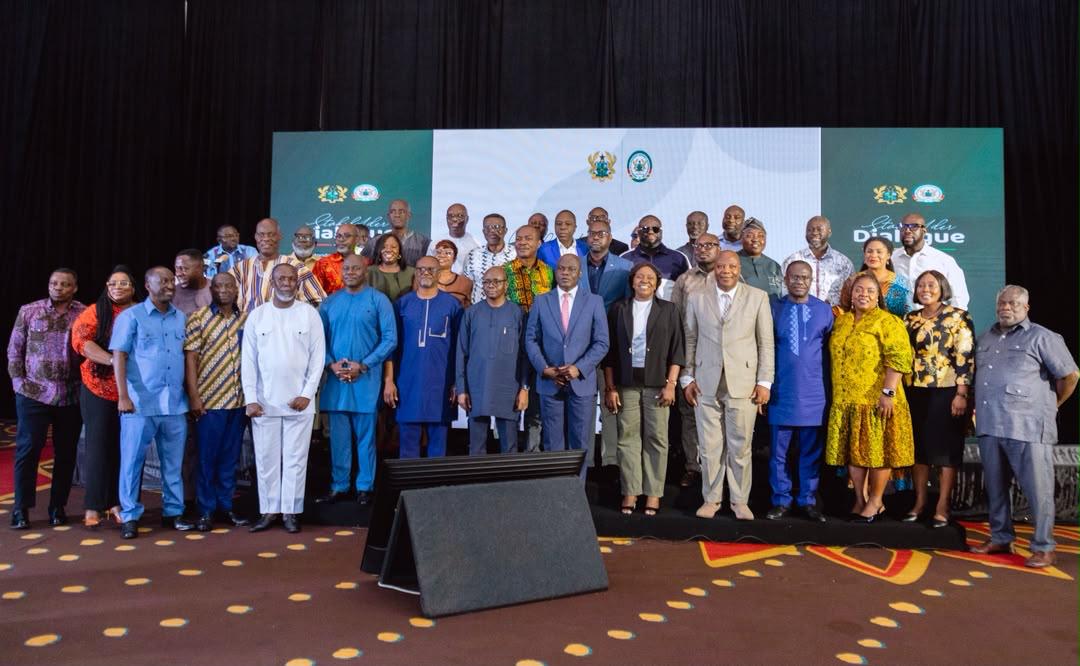
Hosted by the Ministry of Local Government, Chieftaincy and Religious Affairs, the dialogue on ‘Alleviating Waste Disposal Crisis in Greater Accra’ was held at Kempinski Hotel Gold Coast City on June 8, 2026. The verdict was clear: sanitation is a public service that cannot rely only on households and businesses.Attendees argued that while citizens should pay their share, the state must also lock in steady revenue streams for the sector. They noted that the Sanitation and Pollution Levy, meant to fund waste services through fuel sales, is no longer delivering as intended.Without proper financing, they warned, the Greater Accra Metropolitan Area risks losing ground made over two decades in cleanliness, waste pickup and public health.Rising Population,
Rising Waste
Ghana’s cities are growing fast, putting huge strain on waste systems.In his keynote, Local Government Minister Hon. Ahmed Ibrahim outlined the scale of the problem.Ghana produces about 4,400 tonnes of solid waste daily — nearly 1.6 million tonnes a year. Collection stands at roughly 80%, leaving the rest to threaten the environment and public health. What’s more concerning, he said, was that waste volumes will climb sharply in the next decade as urbanisation speeds up.
The Minister said upgrading treatment plants and collection networks can’t wait. But money, he stressed, is the biggest hurdle. Sanitation can’t be left to the market alone. Citing South Korea, he said governments worldwide still heavily fund waste services because they protect health and the environment. He added that talks with the Finance Ministry were ongoing to secure dedicated funds to settle debts owed to private waste firms.
He cautioned that even top-tier facilities will fail without consistent operating cash. Late payments to contractors, he warned, could spark environmental and health crises.
Rethinking Landfills
The President of ESPA and Executive Chairman of Jospong Group, Dr. Joseph Siaw Agyepong, questioned Ghana’s heavy reliance on landfills. He called it an outdated fix that hasn’t matched modern waste demands. He said all 17 engineered landfills built with donor support filled up within 10 years — proof that landfills alone won’t work. He pushed for an integrated model focused on collection, transfer stations, recycling, composting and resource recovery, with landfills as a final option.
Globally, he noted, there’s a shift to a circular economy where waste becomes a resource, not just buried trash.
The Money Problem
Financing came up again and again as operators flagged poor revenue collection and weak tariffs that can’t support needed investment. Dr. Agyepong said global standards show households in lower-middle-income countries pay $15–$20 a month for waste pickup. In Ghana, low payment rates and thin revenues are squeezing providers. Participants said sanitation deserves the same public backing as health, education and roads because of its wider social value.
Progress Worth Defending
Despite the hurdles, speakers praised Ghana’s strides. In 20 years, the country has built over 50 waste treatment and composting plants, placing it among Africa’s sanitation leaders. Ghanaian firms are now exporting know-how to Kenya, Ethiopia and elsewhere. Dr. Agyepong credited long-term investment in local skills. He said providers have trained hundreds of experts now working in Ghana and across Africa. The sector has also created thousands of jobs, improved health outcomes, cut pollution and boosted city resilience.
The Price of Doing Nothing
Research shared at the forum put the cost of poor waste management at over GH¢6.2 billion a year — from flood damage, health costs and environmental harm. Blocked drains fuel floods. Litter contaminates water. Bad sanitation overloads hospitals. Experts said it’s far cheaper to invest now than to pay for neglect later.
Collective Action Needed
Wrapping up, stakeholders agreed that fixing Greater Accra’s waste crisis will take teamwork between government, local councils, private firms and citizens. Most importantly, talk must now turn into real, sustainable funding tools to support long-term gains. The takeaway: Ghana has transformed sanitation, but keeping it will take more than infrastructure. It will need political will, creative financing, and the view that waste management isn’t just a bill — it’s an investment in health, the environment and national growth.


