


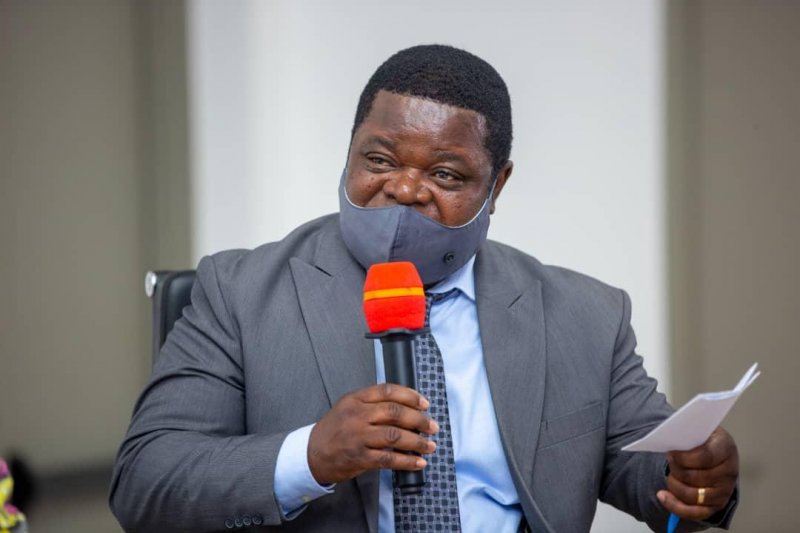
Economist Peter Quartey has called for deeper structural reforms at the Ghana Cocoa Board (COCOBOD), warning that salary reductions by management alone will not resolve the institution’s financial challenges.

His comments follow a decision by COCOBOD’s senior management to take a 20 percent pay cut, with other management staff accepting a 10 percent reduction as part of efforts to ease mounting financial pressures on the Board.
Speaking in an interview with Citi Business News, Prof. Quartey said the move sends a positive signal but does not address underlying inefficiencies within the organisation.
“I think the signaling effect is good. That is, you are signaling to farmers, to Ghanaians, to everybody, to the global community, that as managers of the cocoa board, you want to take part of the responsibility to address the problem,” he said.
However, he questioned the real financial impact of the salary reductions.
“I wish we were told how much that would be. I mean, there’s 20 percent senior management, 10 percent other management staff. What is the function? How much money are we talking about? How far can this money go?” he asked.
According to him, a more sustainable solution lies in staff rationalisation rather than temporary salary adjustments. He suggested that excess staff could be redeployed to other ministries, departments and agencies instead of being laid off, given limited job opportunities in the economy.
“If there are too many staff operating at COCOBOD, let’s do some rationalization. And they can be absorbed or sent to other ministries, departments and agencies, where they’ll be more useful, rather than laying them off, because there are no jobs,” he said.
While cautioning against outright dismissals, Prof. Quartey maintained that the current wage structure is unsustainable.
“You can’t just lay people off. You have to give a human face to it… But then keeping them and paying so much in salaries, I don’t think is the right way to go,” he added.
He stressed that improving operational efficiency remains critical to rebuilding confidence in Ghana’s cocoa sector.
Meanwhile, COCOBOD has announced that its Board of Directors will forgo sitting allowances for the remainder of the 2025/2026 cocoa season in support of ongoing sector reforms.
In a public notice, the Board said the decision reflects its commitment to prudent financial management, shared sacrifice and responsible leadership as it undertakes critical reforms to address recent challenges facing the cocoa industry.


