


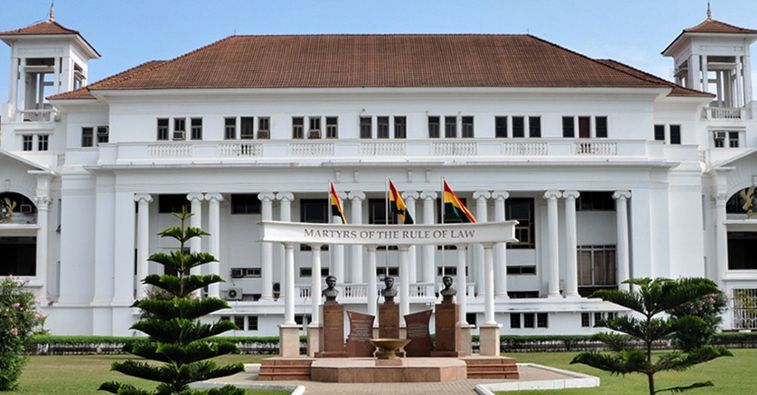
The Supreme Court of Ghana has directed the Attorney-General and Minister for Justice to file a response within seven days in a legal challenge concerning the reported renaming of Kotoka International Airport.

The directive was issued on Thursday, May 14, 2026, during proceedings in the case of Austin Kwabena Brako-Powers v. Attorney-General, after lawyers representing the state requested additional time to submit their statement of case.
The plaintiff, Austin Kwabena Brako-Powers, initiated the suit in March 2026, arguing that any attempt to rename the airport was undertaken outside the legal framework governing the facility.
According to the suit, the naming status of the airport is protected under the General Kotoka Trust Decree, 1969 (NRCD 339), and any alteration would require a formal amendment or repeal of the relevant legislation rather than an executive directive or administrative action.
The case centres on whether the executive branch possesses the legal authority to rename major state assets without parliamentary approval or legislative amendment.
Counsel for the plaintiff, Michael Akosah, told journalists that constitutional and statutory procedures must be strictly followed in matters involving the renaming of nationally significant institutions and public infrastructure.
He maintained that any lawful name change would require compliance with existing legislation and, where necessary, parliamentary involvement.
Representing the state, lawyers led by a Chief State Attorney requested more time to address the constitutional and legal questions raised in the case.
Although the Supreme Court granted the request, it emphasised the need for swift proceedings and instructed the Attorney-General to file the response within seven days to prevent unnecessary delays.
Mr. Brako-Powers contends that the dispute raises broader governance concerns, particularly regarding executive authority, administrative discretion and the legal limits surrounding decisions affecting public assets.
The Attorney-General is expected to clarify whether any current legal provisions empower the executive or state agencies to unilaterally rename national landmarks without legislative approval.
Legal analysts say the outcome of the case could establish an important judicial precedent on constitutional procedure and the management of state property in Ghana.


