


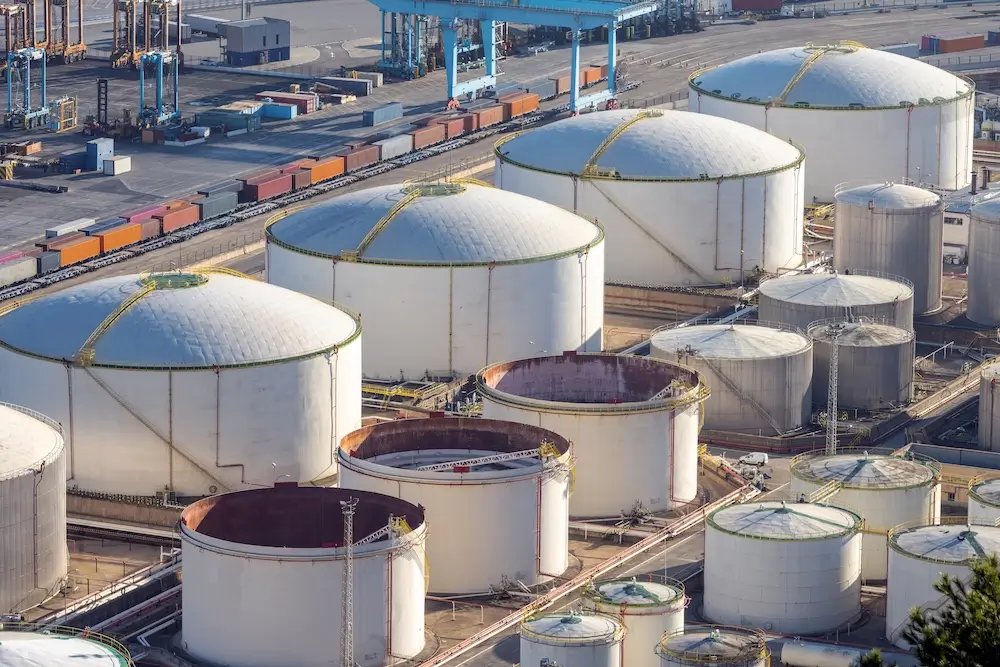
Ghana’s energy security is expected to remain stable despite ongoing global oil market tensions, largely due to the resumption of operations at the Tema Oil Refinery (TOR), according to a new report by Fitch Solutions.

The report notes that recent volatility in global energy prices—driven by geopolitical tensions in the Middle East and strained relations among major oil producers—has heightened risks for import-dependent economies. However, Ghana appears relatively insulated following TOR’s restart in December 2025 after years of shutdown caused by debt and maintenance challenges.
According to Fitch Solutions, the refinery’s return to operation has restored domestic refining capacity and reversed Ghana’s recent status as a net oil importer.
“With TOR operational, Ghana is projected to be broadly oil-trade neutral or a modest net exporter in 2026, limiting the direct impact of global price spikes on the country’s trade balance,” the report stated.
The development is particularly significant amid persistent risks of supply disruptions, including potential escalation in tensions involving the United States and Iran, which could affect global shipping routes and crude availability.
Data from the Ministry of Finance and the Bank of Ghana indicate that Ghana’s hydrocarbons trade position is nearing balance. This suggests that rising crude prices may not necessarily worsen the country’s current account position. Instead, under favourable conditions, higher prices could boost export earnings from crude oil.
Fitch Solutions projects Ghana’s current account surplus to reach about 4.2 per cent of GDP in 2026—an improvement over the historical average deficit recorded between 2010 and 2024. The surplus is expected to support broader macroeconomic stability and ease pressure on the local currency.
The report also highlights strengthening foreign exchange reserves, which stood at approximately $14.4 billion at the end of the first quarter of 2026—equivalent to about six months of import cover.
According to the report, these reserve buffers provide sufficient capacity for the Bank of Ghana to intervene in the foreign exchange market in response to external shocks, including those arising from global energy market fluctuations.


