


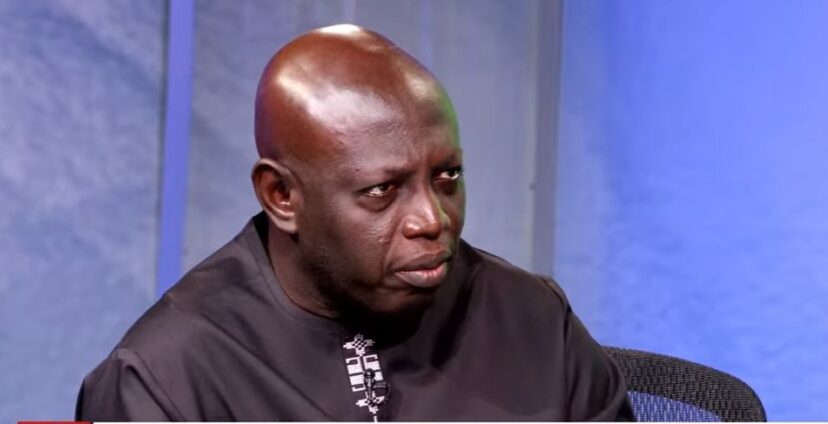
The Dean of the Faculty of Accounting and Finance at the University of Professional Studies, Accra (UPSA), Professor Isaac Boadi, has called on the government to make job creation the central focus of its economic recovery agenda, arguing that improvements in macroeconomic indicators alone will not translate into better living conditions for Ghanaians.

Reacting to the 2026 Mid-Year Budget Review presented by Finance Minister Dr. Cassiel Ato Forson, Professor Boadi acknowledged the progress made in stabilising the economy but maintained that the budget did not adequately address the country’s growing employment challenges.
Speaking on JoyNews’ AM Show on Friday, July 25, the finance expert noted that although key macroeconomic indicators had improved, revenue performance remained below target, a development he warned could limit the government’s ability to finance planned programmes and public investments.
According to him, several major revenue indicators failed to meet their half-year targets, raising concerns about the sustainability of government spending.
Professor Boadi stressed that while economic stability is important, the real measure of success should be the extent to which it creates jobs and improves livelihoods.
“What we are saying is that we all live in one economy; it’s our hope, and it’s our prayer that measures put in place by this administration will help,” he said.
He expressed concern that the mid-year budget focused heavily on indicators such as inflation, debt sustainability, international reserves and Gross Domestic Product (GDP) growth, with insufficient attention given to employment generation.
“I didn’t hear more issues on discussions on employment,” he stated.
The UPSA dean also highlighted the need to strengthen Ghana’s export sector, arguing that increased exports are essential to boosting foreign exchange earnings and sustaining long-term economic growth.
“If we have an economy that does not export, we are not getting more revenue from exports. Definitely, you have issues with your exchange rates and all that,” he said.
While welcoming the decline in inflation, improvements in debt sustainability and stronger external reserves, Professor Boadi questioned whether these macroeconomic gains were translating into meaningful employment opportunities.
“We are celebrating GDP growth. We are celebrating inflation. We are celebrating debt. We are celebrating reserve. Fine. How many jobs have all these created?” he asked.
His remarks contribute to the ongoing debate among economists and policy analysts over the need for Ghana’s economic recovery to be accompanied by stronger job creation, particularly for young people, as the government continues its fiscal consolidation and economic transformation agenda.


