


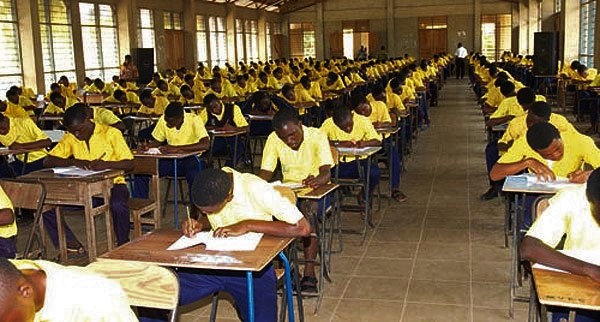
The West African Examinations Council (WAEC) has defended its decision to prevent 154 students of Sekondi College from sitting Thursday’s Chemistry theory and objective examinations, insisting that its regulations do not permit candidates who arrive late to enter the examination hall after the stipulated reporting time.

The explanation comes in response to appeals from the Parent-Teacher Association (PTA) of Sekondi College, which has called on WAEC to grant the affected students another opportunity to write the paper. According to the PTA, the students were delayed by heavy rainfall and were subsequently denied entry by an external invigilator.
Speaking on the matter, WAEC’s Head of Public Affairs, John Kapi, stressed that the examination is conducted simultaneously across multiple countries in the West African sub-region, making strict compliance with examination rules essential to safeguarding the integrity and credibility of the process.
While acknowledging concerns about the adverse weather conditions, Mr. Kapi stated that preliminary reports available to WAEC indicated that the students were already on campus and did not have to travel significant distances to reach the examination venue.
“The information reaching us indicates that some were at the ICT lab, some were in the classroom, some were in the dormitories; they didn’t have to travel any distance to get to the examination hall,” he explained.
“And mind you, there were others who were in there already and were writing, according to the report that we received. So, obviously, something may have gone wrong to make some of them not want to get into the examination hall early enough to start the exam.”
In an interview with Citi News, Mr. Kapi further clarified that WAEC would not organise a special resit examination for the affected candidates. Instead, they would have to wait for the next available examination cycle if they wish to rewrite the paper.
“They will only have a chance to rewrite in another cycle of examination. So, for example, if we are going to conduct a NOV/DEC this year, they are at liberty to register and write,” he stated.
The incident has generated widespread debate among parents, educators and other stakeholders in the education sector, with many questioning whether exceptional circumstances such as severe weather conditions should warrant greater flexibility in the application of examination regulations.
As discussions continue, the case has reignited broader conversations about balancing strict examination standards with fairness and compassion in situations beyond students’ control.


