


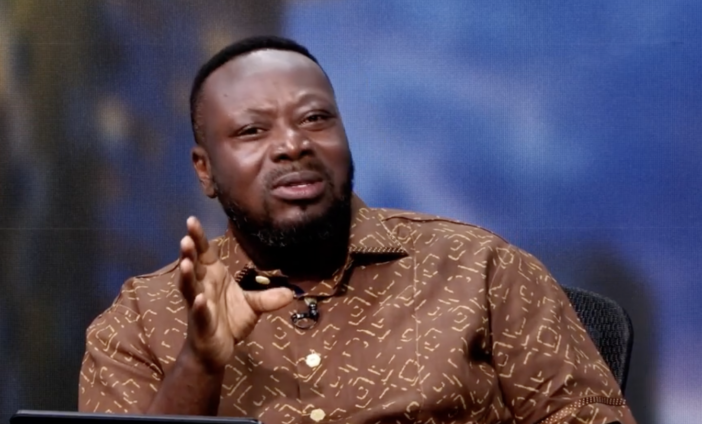
Minister for Youth Development and Empowerment, George Opare Addo, says the government spent its first 18 months in office studying the country’s youth unemployment challenge to ensure its interventions are evidence-based and properly targeted.

Speaking on Wednesday, July 8, the minister acknowledged that the period had been difficult but argued that addressing youth unemployment requires long-term planning rather than quick fixes.
“Within the last one year and six months, it’s been very tough. That I must admit, it’s been very difficult, and it’s been very challenging,” he said.
Mr Opare Addo explained that investments in young people take time to yield results, making it necessary for the government to first identify the underlying causes of unemployment before designing solutions.
“The problem with youth or youth unemployment is that youth issues—I call investment in young people an investment, and you reap the dividends with time,” he said.
He disclosed that the ministry commissioned several surveys and research projects over the past 18 months to gain a clearer understanding of the challenges facing young people.
“In the last one and a half years, we needed to understand what the real issues were, and so we commissioned a few surveys,” he said.
According to the minister, the findings have provided the government with a stronger understanding of the problem and are now shaping policies and interventions.
“And God has been so good. At least today, I’m able to tell you that I have a very good appreciation of what the issues are, and based on what the survey told us, what the research told us, we are using it to tackle our problems,” he added.
Mr Opare Addo also dismissed suggestions that Ghana lacks programmes to tackle youth unemployment, arguing instead that the real challenge lies in implementation and poor coordination across government institutions.
“What I also saw at the ministry was that it was not that we lacked programs; there were more than enough programs to fix the problems,” he said.
He noted that several ministries and agencies had been implementing similar initiatives independently, leading to duplication of efforts and inefficient use of public resources.
“The challenge was implementation and how we are able to coordinate these programs effectively,” he said.
“There was a lot of fragmentation at the ministry, and because there was not a ministry responsible for coordinating all the activities of youth, you find one issue with one ministry. So one ministry says I’m doing A. We find another ministry says it’s doing B. It ends up being the same program, same beneficial result, but no resource.”
The minister said the government’s current strategy is built on evidence gathered over the past 18 months and places greater emphasis on coordination, effective implementation and targeted interventions to improve employment opportunities and outcomes for young people.


