


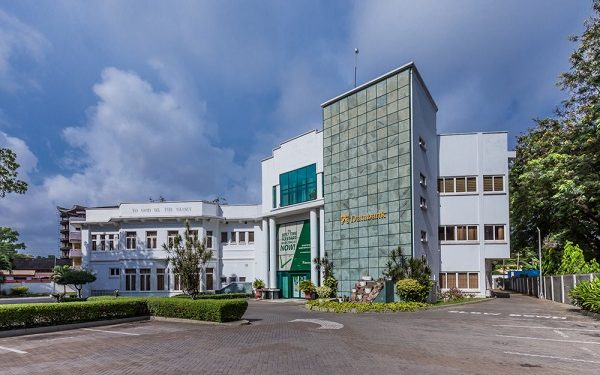
Databank Research has cautioned that weak consumer demand and persistently high unemployment pose significant risks to Ghana’s economic recovery, particularly as fiscal consolidation efforts continue.

The research firm noted that easing credit conditions could play a critical role in supporting businesses and helping firms refinance legacy debt, thereby strengthening economic activity.
“We concur that Ghana’s labour market remains soft, and the creation of jobs may take time to materialise. We expect hiring conditions to stabilise gradually as growth strengthens, but persistent structural constraints suggest a slow recovery in employment momentum,” the firm said in its 2026 economic outlook.
Databank Research emphasised that while growth prospects are improving, labour market recovery is likely to be gradual due to entrenched structural challenges.
Inflation Forecast to Fall Below Target
Meanwhile, the firm is projecting a sharp decline in headline inflation to 5.09 percent by the end of 2026 — significantly below the Bank of Ghana’s medium-term target band of 8 percent ± 200 basis points.
According to the outlook, the anticipated disinflation will be driven by improved food supply conditions and relative stability in the exchange rate.
“We expect bumper food harvests and smoother supply chain dynamics to keep month-on-month Consumer Price Index volatility below 6%. Previous contractionary measures by the central bank appear to have absorbed much of the excess liquidity carried over from 2024, diluting the likely effect of demand-pull inflationary pressures. As softer fiscal actions take hold, we expect cost-push pressures to remain fairly contained,” it added.
The report also referenced monetary policy developments, noting that the Bank of Ghana reduced its policy rate by 250 basis points to 15.5 percent in January 2025, despite elevated non-performing loan (NPL) ratios in the banking sector, estimated at between 20 and 23 percent (excluding provisional losses).


